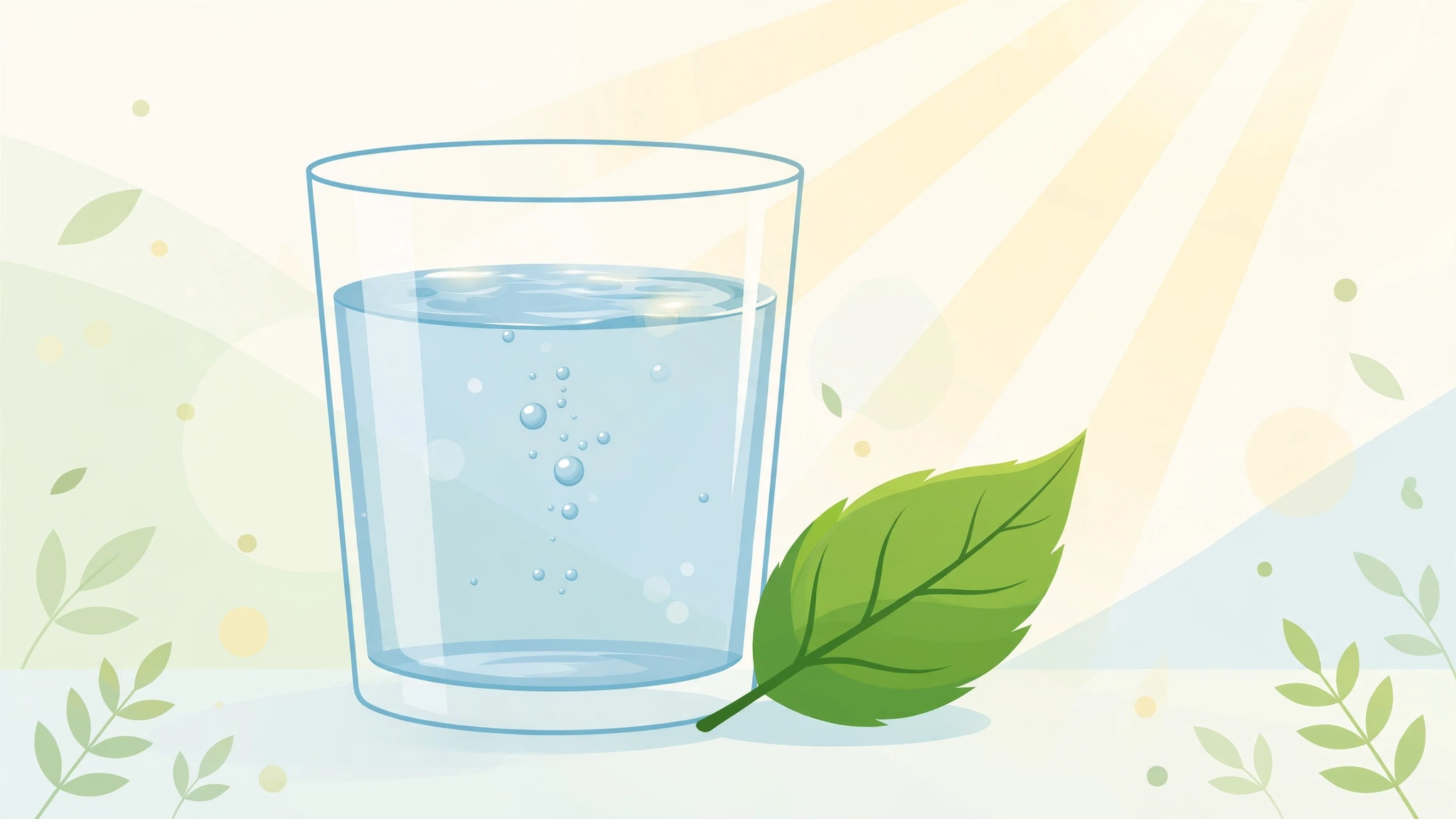
Unadulterated sounds like a word from a laboratory, but its promise is simple: this is the real thing, with nothing sneaked in. It means completely pure and unmixed — olive oil with nothing added, honey that is only honey, a drink never watered down. Then the word takes flight into feelings: unadulterated joy, unadulterated delight, unadulterated nonsense — meaning total, one-hundred-percent, not a drop diluted. That is the quick answer. The key takeaway: unadulterated means pure and complete, whether in the bottle or in the emotion.
What does unadulterated mean?
The basic meaning is about purity: a substance with no cheaper or foreign material mixed into it. But English loves this word best as an intensifier — a way of saying something is utterly, entirely itself. Three uses cover almost everything you will meet:
| Where you meet it | What it means | Example |
|---|---|---|
| Food and drink | Pure, with nothing weaker or foreign added | “Unadulterated olive oil, pressed from one grove.” |
| Feelings | Total and undiluted emotion | “Her face showed unadulterated joy.” |
| Judgements | Complete, absolute (usually of something bad) | “The report dismissed it as unadulterated nonsense.” |
The word is pronounced un-uh-DUL-ter-ay-ted, with the stress on the middle “DUL.” It sits slightly on the formal side of the shelf — the word a careful writer reaches for when pure alone feels too small.
Where does unadulterated come from?
It is built from un- plus adulterated, and the engine inside is the Latin verb adulterare, “to corrupt or falsify” — a cousin, perhaps surprisingly, of adultery. The idea is cheating: secretly mixing something lesser into something better. The word earned its keep in the 1800s, when food fraud was a public scandal: milk stretched with water, flour padded with chalk, tea leaves bulked with sweepings. In 1820 the chemist Frederick Accum exposed the tricks in a book whose warning earned it the nickname “Death in the Pot,” and Britain spent the rest of the century passing food and drugs laws to police exactly this crime. Adulterated became the legal and scientific word for the cheat — and unadulterated the gold-standard compliment, before it escaped into feelings and opinions altogether.
How to use unadulterated in sentences
One example for each of the word’s three habitats:
“The label promises unadulterated honey — no syrup, no colouring, just the hive’s own work.”
“When the puppy finally came home, the children squealed with unadulterated joy.”
“Asked about the rumour, the manager laughed and called it unadulterated nonsense.”
Feel the slide: the same word that certifies a bottle of honey can also measure a child’s happiness and flatten a silly story. In every case it is doing purity work — nothing added, nothing taken away.
Similar words to unadulterated
- Pure — the everyday word; unadulterated adds the specific promise that nothing has been mixed in.
- Undiluted — not weakened by added liquid; close for drinks, less natural for feelings.
- Unmixed — plainly not blended with anything; factual and flavourless, where unadulterated glows.
- Absolute — total and complete in judgement or feeling: “absolute nonsense,” “absolute bliss.”
- Sheer — pure by force of scale: “sheer joy,” “sheer size”; shorter, punchier, and more casual.
When to use unadulterated — and when to keep it simpler
Use unadulterated when:
- You describe food, drink, or materials where genuine purity is the point (and, on labels, a claim with legal weight).
- You want a heightened, slightly literary intensifier: unadulterated joy, delight, bliss.
- You deliver a strong dismissal with polish: unadulterated nonsense, rubbish, fantasy.
Choose a simpler word when:
- Speaking casually: “pure fun” or “total nonsense” keeps the chat light; unadulterated can sound like it wore a suit.
- You only mean “not mixed” in a technical note, where unmixed or pure is cleaner.
- Every sentence is already intense — saved for special moments, the word keeps its shine.
FAQs about unadulterated
How do you pronounce unadulterated?
Say un-uh-DUL-ter-ay-ted — six syllables, with the beat landing on “DUL.” It looks long on the page but rolls off the tongue once you hear it.
What does unadulterated mean in simple words?
Pure and total. If something is unadulterated, nothing cheaper, weaker, or foreign has been mixed into it — and, used about feelings, the emotion is complete and undiluted.
What is the difference between pure and unadulterated?
Very little — but the flavour differs. Pure describes what a thing is; unadulterated stresses what has not been done to it: nobody has snuck anything in. It is purity with a suspicious glance at the mixer.
What does “unadulterated joy” mean?
Happiness with nothing mixed into it — no worry, no embarrassment, no holding back. It is the figurative use of the word: joy at full strength, exactly like honey with nothing added.
Is unadulterated a formal word?
Mildly. It belongs to careful writing, food and science language, and elegant speech rather than the playground. That slight formality is why it works so well as a compliment or a polished put-down.
Final thoughts on unadulterated
Unadulterated was born fighting cheats — the watered milk and chalked flour of another century — and it kept the purity it protected, turning into one of English’s most satisfying intensifiers. Whether it certifies a jar of honey or a child’s grin, it promises the full-strength thing itself. Unadulterated means nothing added and nothing faked: pure in the bottle, total in the heart.
So next time the word appears — on a jar, in a headline, in a love letter — you will know the pledge it makes: full strength, nothing quietly stirred in. English has trusted that promise for two centuries now, and it still rewards anyone who uses the word precisely.

Hi, I’m Lena Foster, a symbolism expert and content writer for Symboliism.com. I specialize in explaining the meanings behind symbols, numbers, and signs in a simple, engaging way. I love turning complex spiritual and cultural symbolism into clear, easy-to-read guides that help readers understand the messages around them.