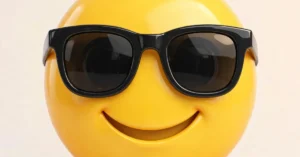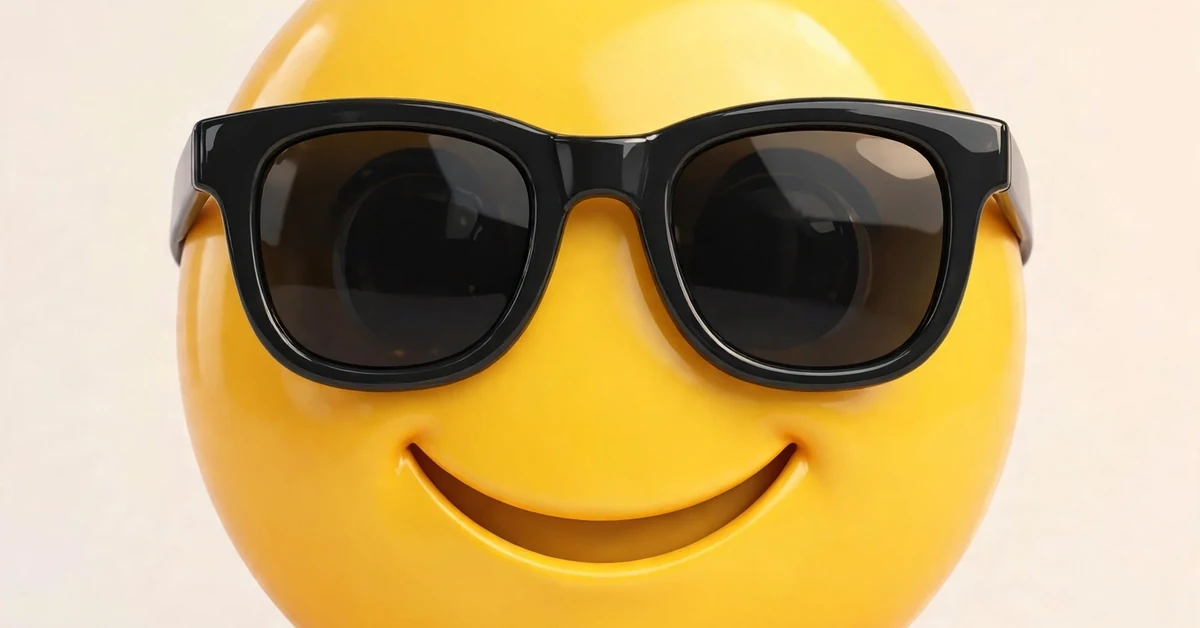
The cool emoji 😎 is a smiling face in sunglasses, and it means “I’ve got this.” People send it to show confidence, calm, or a small proud win. One tap and a plain text turns into a victory lap.
But the same face can tip over into smug. This guide shows where the line sits, when 😎 lands as chill, when it lands as showing off, and what people really mean when they search for the sunglasses emoji.
What Does the Cool Emoji Mean?
At its core, 😎 means cool — in both senses of the word. It means calm under pressure, and it means stylish and self-assured. The sunglasses do the work. Shades hide your eyes, so the face keeps its secrets and looks in control.
Most uses are playful boasts. You pull off something hard and post 😎 to say “too easy.” A friend shares good news and you reply 😎 to say “nice, knew you could.” It is pride with a grin, not pride with a lecture.
It also carries a chill sense. “No rush 😎” tells people things are fine. “Down by the pool 😎” is the emoji of a slow, sunny day. Same face, softer job.
One thing it never means is anger. The smile stays sweet even when the boast gets big. If a reply needs heat, 😎 is the wrong soldier.
That steady grin is why 😎 rules teasing chats. When a group chat roasts you in fun, the face that answers 😎 wins the round. It says “seen, noted, not bothered.” Longtime internet users know the vibe from the old “deal with it” meme: shades drop, grin stays, move on. Playful, unbothered, slightly smug — and that mix is exactly why the line in this guide’s last sections matters.
😎 After a Win: The Victory Post
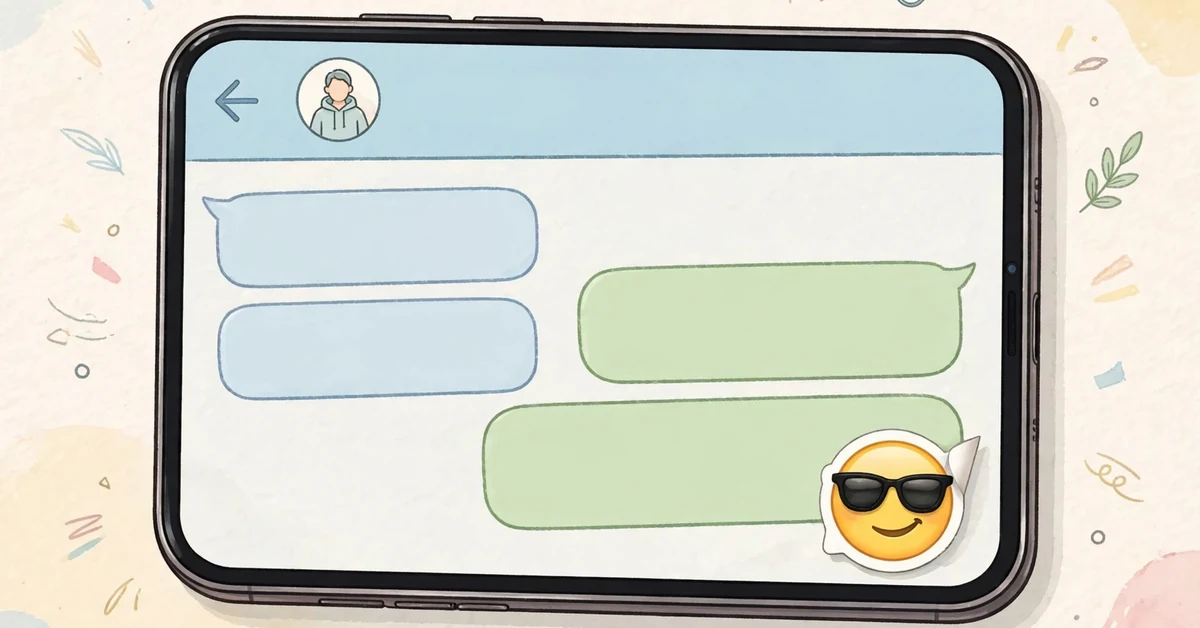
The win post is 😎’s home ground. Pass an exam, land the job, fix the car with one video and no help — the caption gets 😎 at the end like a signature.
It closes brag posts all over social feeds. “First marathon done 😎” is proud, brief, and done. The face says what a long speech would ruin: “I am happy with me today.”
Wins between friends get it too. Your friend posts their win, and you answer 😎 to share the shine. It works as a nod: seen, rated, approved.
Pairing helps it sing. 😎 + 💪 covers the gym win. 😎 + 🎓 seals graduation posts. And when the flex is pure confidence, the muscle emoji breakdown shows the strength side of the same pride family.
Keep wins to one 😎. A row of five stops being proud and starts being a comedy sketch.
It does not need a huge win either. Small daily victories wear it perfectly: parallel parking in one go, catching the train with seconds to spare, guessing the password on the first try. Those tiny caption wins are where 😎 shines brightest, because the joke is clear — the win is small, the pride is big, and everyone gets it.
😎 the Chill Reply
Not every 😎 is a boast. As a reply, it often just means “cool,” “fine,” or “no problem.”
Someone updates a plan and you send 😎. It says you are easy with the change — no fuss, no stress, carry on. Someone asks if you are good with a plan B, and 😎 means yes with style.
It also softens thanks. “You saved me back there.” “😎” back says “it was nothing,” and says it kindly. The shades keep the modesty looking smooth.
But note the gap. A bare 😎 to a long, heartfelt message can feel light. If a friend poured out feelings, give words first and let the shades follow if they fit at all.
At work, the chill sense earns its keep in light team chats. “Cool, will do 😎” reads keen and easy between close teammates. Just keep it out of formal updates and client threads, where the same face can read as too casual. Read the room first, then shine.
When 😎 Looks Smug
The same grin that reads confident on your post can read smug on someone else’s bad day. Context does the judging here, not the emoji.
Sending 😎 right after you win at a friend’s cost — the job they wanted, the match they lost — lands as rubbing it in. Send 😢 or kind words instead, and save the victory face for your own feed.
It also reads smug as a reply to questions. A real question met with 😎 feels like “I know but I won’t tell you.” Teachers, bosses, and partners all read it that way.
And in group chats, 😎 after your own joke can look like you are applauding yourself. Let the room crown you. Do not crown yourself twice.
The fix is simple: wins get 😎, losses get care, and questions get answers.
Sunglasses Emoji? The 🕶️ Object, Briefly
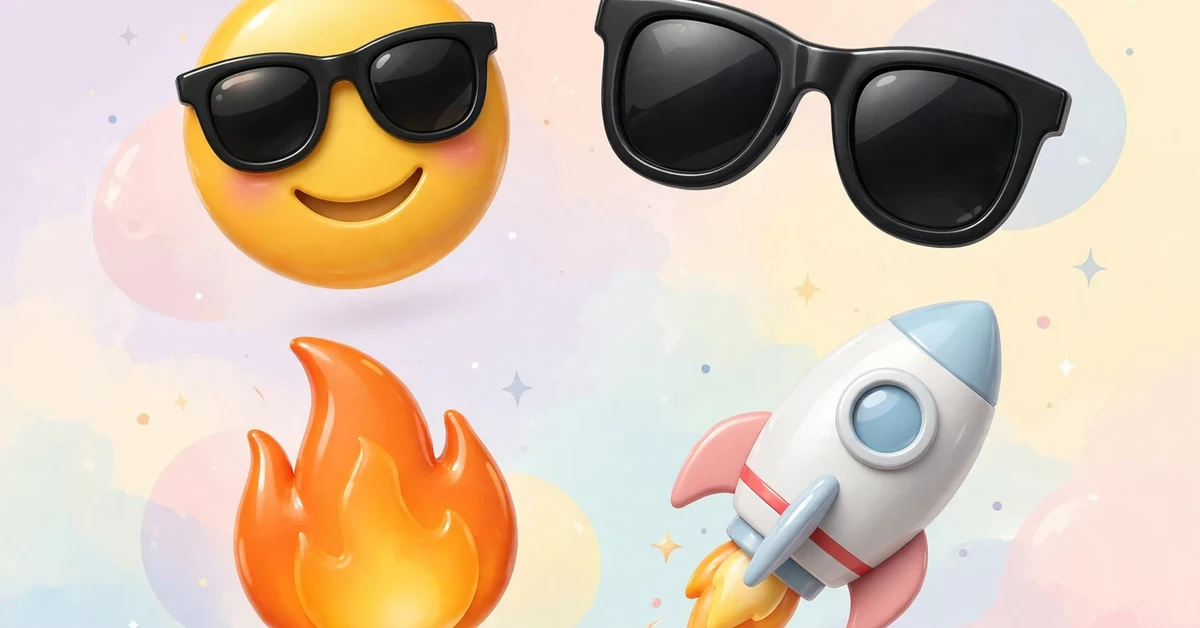
Many people search “sunglasses emoji” and mean this face. When you type that search, 😎 is almost always the face you are hunting for — the smiling face wearing shades.
But there is also a real object: 🕶️, a lone pair of sunglasses with no face at all. It lives a quieter life. Fashion posts use it for outfits and summer sales. Travel posts drop it next to beach lists. It means the item — eyewear, sun, style — not a mood.
So here is the split. If you want to show a feeling — confidence, chill, pride — send the face, 😎. If you want to point at the thing itself, like “don’t forget the shades,” send 🕶️.
Most chats want the mood, so the face wins. But now you know the object exists, hiding one row over in the objects tab.
Savvy posters use both together. A holiday photo caption might run “new shades 🕶️, same me 😎” — the object points at the real glasses in the photo, then the face closes the caption with the mood. Item first, feeling second. It is a small trick, but it makes captions read sharp.
FAQs
What does 😎 mean in a text?
It means confidence, calm, or quiet pride. People send it after a win, or as a chill “all good” reply.
Is there a sunglasses emoji that is not a face?
Yes. 🕶️ is a plain pair of sunglasses with no face. It marks the object — fashion, summer, sun — rather than a feeling.
What does it mean if a guy or girl sends 😎 after my news?
It is approval with style. They are saying your news is cool and they are pleased for you.
When does 😎 become rude?
When it answers real feelings, real questions, or a friend’s loss. There, it can read as smug or cold instead of cool.
What emojis pair well with 😎?
💪 for strong wins, 🎓 for school wins, 🏖️ for holidays, and 🔥 for stylish looks. One or two partners is plenty.
Conclusion
The cool emoji walks a fine line, and walks it well. Send 😎 for your wins and your calm, and you read as confident — send it over feelings or losses, and it turns smug. Aim it right, and the shades always look good on you.

Hi, I’m Lena Foster, a symbolism expert and content writer for Symboliism.com. I specialize in explaining the meanings behind symbols, numbers, and signs in a simple, engaging way. I love turning complex spiritual and cultural symbolism into clear, easy-to-read guides that help readers understand the messages around them.