The dentist has not even touched the sore tooth yet, but your eyes squeeze shut and your mouth tightens. Nobody told your face to do it. It reacted on its own, one second before the pain you expected.
To wince is to make a brief, involuntary twist of the face, or slightly recoil, because of pain, fear, disgust, or embarrassment. As a noun, a wince is that quick expression itself.
A wince is the face flinching before the mind has time to arrange a braver look. It is a small movement, but it can reveal exactly what a person feels.
What does wince mean?
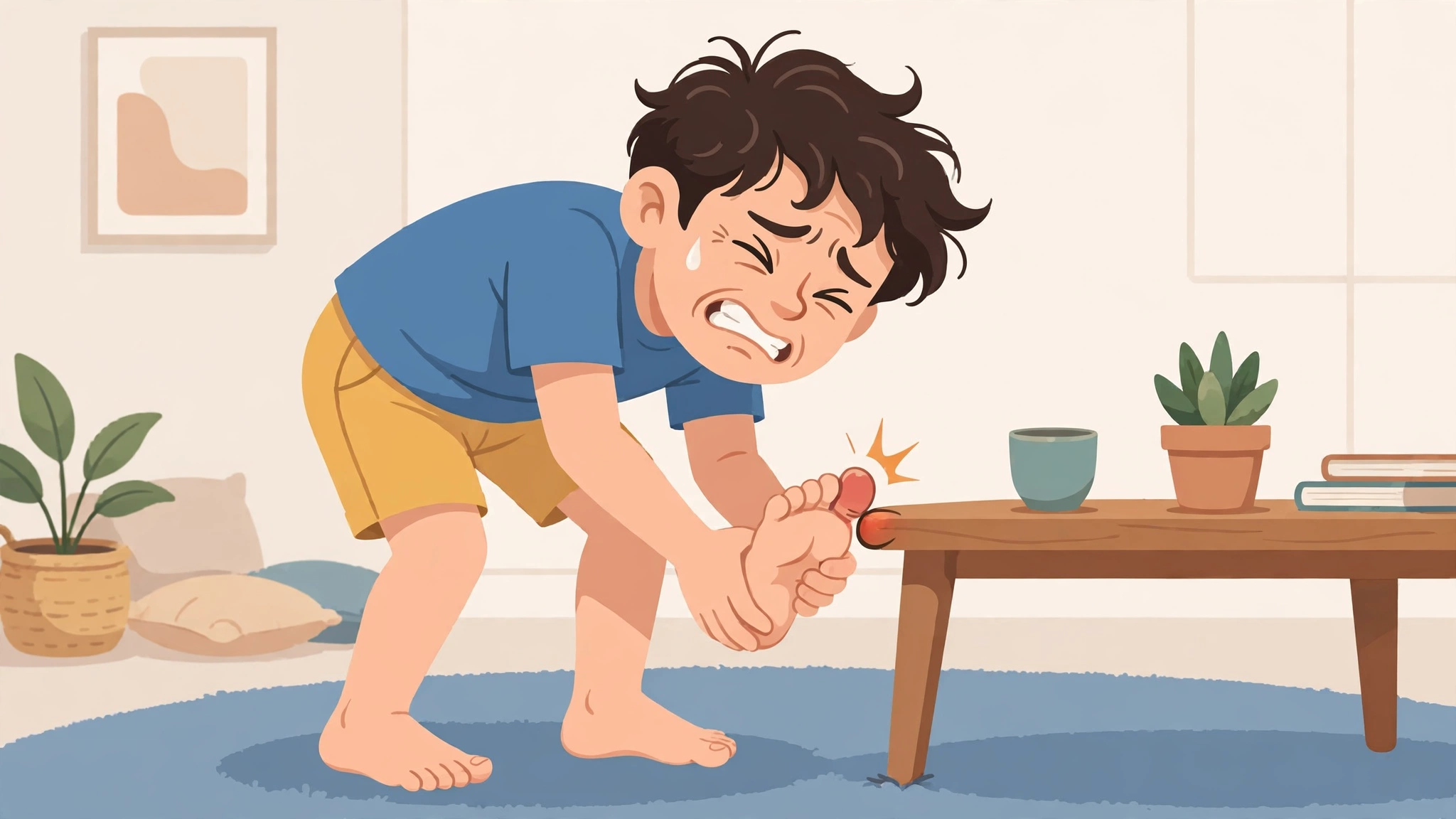
To wince is to draw back slightly or contract the face in response to something unpleasant. The eyes may narrow or close, the lips press together, the teeth show briefly, and the head may pull away. It often lasts only a moment. People wince at actual pain, but also while expecting pain, hearing a harsh sound, tasting something sour, or remembering an awkward moment.
The movement is usually involuntary, which is why it feels honest. A person can claim an insult did not hurt, yet wince as it lands. A patient can say, “I’m fine,” and still wince when a nurse cleans a cut. In writing, the word shows a reaction without a long explanation.
| Trigger | What the wince shows | Example sentence |
|---|---|---|
| Sudden pain | The body reacts to a sting, cut, or sore spot | He winced when the splinter came out. |
| Expected pain | The face braces before something hurts | She winced as the needle moved closer. |
| Fear or disgust | The person recoils from something unpleasant | They winced at the smell from the drain. |
| Embarrassment | An inner “ouch” at a memory or joke | I wince whenever I hear that recording. |
| Noun use | The expression itself is the subject | A wince crossed his face. |
Common patterns are “wince at,” “wince in pain,” and “wince with embarrassment.” The past tense is winced, and the continuous form is wincing. British and American English use the same meaning.
Where did the word wince come from?
“Wince” entered Middle English from an Old French verb related to turning aside, dodging, or drawing back. Its deeper roots are thought to be Germanic, but the path is not perfectly tidy. The old physical idea is clear: a person twists or pulls away from something coming at them.
That history explains the modern blend of face and body. A wince is not just a facial expression and not quite a full jump backward. The face tightens, and the person may shrink away for half a second. English later extended the word to mental discomfort, so people can wince at a bad pun, a costly bill, or a painfully awkward memory. It is not related to a winch, despite the similar sound.
How to use wince
Use “wince” when someone reacts quickly and involuntarily to pain or discomfort. It works well in stories, dialogue, and careful description because it shows the feeling on the face:
- She winced as the dentist touched the sore tooth.
- He winced at his own joke when nobody in the room laughed.
- I still wince when I remember sending that message to the wrong person.
The first example is physical pain. The second is social embarrassment in the moment. The third is memory: no new injury happens, yet the thought produces an inner pinch. As a noun: “He tried to smile, but it came out as a wince.”
Synonyms and similar words
- Flinch — to pull back suddenly, usually with the whole body; broader and more physical.
- Grimace — to twist the face in pain, disgust, or disapproval; often lasts longer.
- Recoil — to spring or draw back in fear or disgust; stronger and more dramatic.
- Cringe — to shrink inward from embarrassment or dread; also used for the feeling itself.
- Squint — to narrow the eyes for light or sight; a wince may include it, but it is not the whole reaction.
When to use wince and when not to
Use “wince” when:
- A face tightens briefly at pain or an unpleasant taste.
- Someone expects pain and braces for it.
- Embarrassment, disgust, or an awkward memory causes a quick inner “ouch.”
- You write fiction and want to show, not announce, a feeling.
Choose another word when:
- The whole body jerks back; “flinch” or “recoil” is more exact.
- The face holds a twisted expression; “grimace” fits better.
- You write a formal medical note; describe the observed pain response plainly.
- The reaction is amusement; a wince is never a happy smile.
Tone note: “wince” is neutral and observational; it does not mock the person. In writing, the word is kind when it creates understanding rather than ridicule.
Frequently asked questions
What is the difference between wince and flinch?
A wince centers on the face: the eyes and mouth tighten, sometimes with a slight pull-back. A flinch is a quicker, larger recoil of the body or a limb. They often happen together, but they are not identical.
Can you wince without being in pain?
Yes. People wince at embarrassing memories, frightening sounds, sour tastes, disgusting smells, and other people’s injuries. The reaction is about discomfort, and discomfort is not always physical.
Is wince a verb or a noun?
It is both. “She winced” uses the verb. “A wince crossed her face” uses the noun. The verb is more common, especially in stories.
What is the past tense of wince?
The past tense is “winced,” as in, “He winced when the cold water hit his back.” The -ing form is “wincing,” with the final e dropped.
Why do people wince at awkward memories?
The brain can treat social pain as real discomfort, even years later. Remembering a foolish moment brings the feeling back for a second, and the face reacts before we can stop it.
Conclusion
A wince is a tiny, honest reaction: the face twists and the body pulls back when something hurts, frightens, disgusts, or embarrasses us.
Think of a wince as an involuntary “ouch” written on the face, and you will not confuse it with a flinch or a grimace again.

Hi, I’m Oliver Grant, a symbols and numbers researcher at Symboliism.com. I specialize in decoding the hidden meanings behind spiritual signs, numerical patterns, and everyday symbols. I love turning complex symbolism into simple, clear explanations that help readers understand the messages guiding their life, intuition, and decisions.