Ghost Emoji Meaning: Playful, Spooky or Just Silly?
The ghost emoji means something playful or spooky — almost never real fear. Most people send 👻 to joke around, to mark spooky season, or to tease a friend who has gone quiet in the chat.
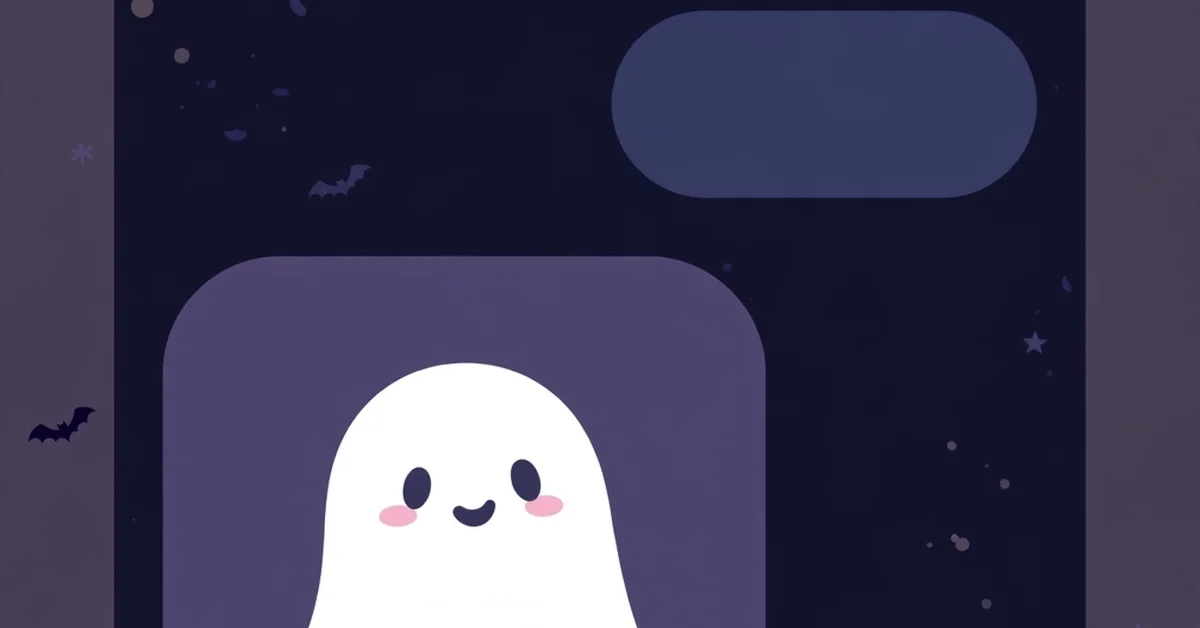
That little white ghost looks friendly on purpose. It has big round eyes, a silly grin, and its tongue stuck out on most phones. This is not a horror movie ghost. It is closer to a kid in a bedsheet costume yelling “boo” — and that is exactly how people use it.
What Does the Ghost Emoji Mean?
The ghost emoji shows a cartoon ghost with a happy, goofy face. Because the face looks sweet instead of scary, the meaning stays light in nearly every chat.
People reach for 👻 in three main ways:
- Halloween and spooky season. Once October starts, 👻 becomes decoration. It fills captions, party invites, and costume photos.
- Playful and silly energy. Someone tells a dumb joke, posts a goofy selfie, or acts dramatic for fun — 👻 fits.
- Ghosting slang. In dating and texting talk, “ghosting” means someone vanishes without a word. Friends joke about it with 👻.
The important part is tone. A single 👻 after a joke reads as laughter. A 👻 in an October caption reads as festive. And a 👻 sent to a friend who ignored three texts reads as a gentle call-out: “hello? anyone there?”
👻 in Texts: Cute, Spooky or “Ghosting” You?
This is where most people get confused, so let’s split it cleanly.
The cute sense is the most common. Your friend sends a photo of her cat hiding under a blanket with two eyes peeking out: “he thinks he’s invisible 👻”. No fear, no slang — just playful.
The spooky sense is seasonal. Think haunted-house plans, horror movie nights, and costume shopping. “Found my costume 👻🎃” needs no extra words.
The ghosting sense is the newest one. Ghosting means cutting off contact with no explanation, like a ghost disappearing. So a message like “he hasn’t replied in four days 👻” is a joke about being ignored. The emoji softens the complaint. Without it, the sentence sounds annoyed. With it, the sentence sounds like the sender is laughing at the situation.
Quick test: if the chat is already joking, 👻 is joking too. If someone just went silent for days, 👻 is probably about that silence.
How People Use 👻 on TikTok and Instagram
On social media, 👻 lives a double life.
In October, it is everywhere. Creators stack it into Halloween captions, costume reveals, and spooky makeup posts. Brands use it for October sales. It works like a tiny seasonal flag — one emoji and everyone knows the post is Halloween content.
The rest of the year, 👻 leans playful. People pair it with silly faces, weird dances, and “caught off guard” photos. It also shows up in fan posts for anything supernatural — ghost-hunting shows, paranormal podcasts, spooky story threads.
Storytelling creators get extra mileage from 👻. A three-slide story that builds a silly scare — slide one is a dark hallway, slide two is a shadow, slide three is the dog in a ghost costume with 👻👻👻 — gets shares because the emoji frames it as playful. The same structure works in group chats: build the fake scare across three messages, then drop 👻 as the punchline.
One more use older users may know: the Snapchat logo is a ghost. Long-time Snapchat fans sometimes drop 👻 when they talk about the app or share their username. That link is fading as younger users arrive, but you will still see it in bios.
If you enjoy the darker corner of spooky chat, our cursed emoji guide covers the emojis people use when “playful scary” turns into “genuinely unhinged funny.”
Best 👻 Combos for Halloween
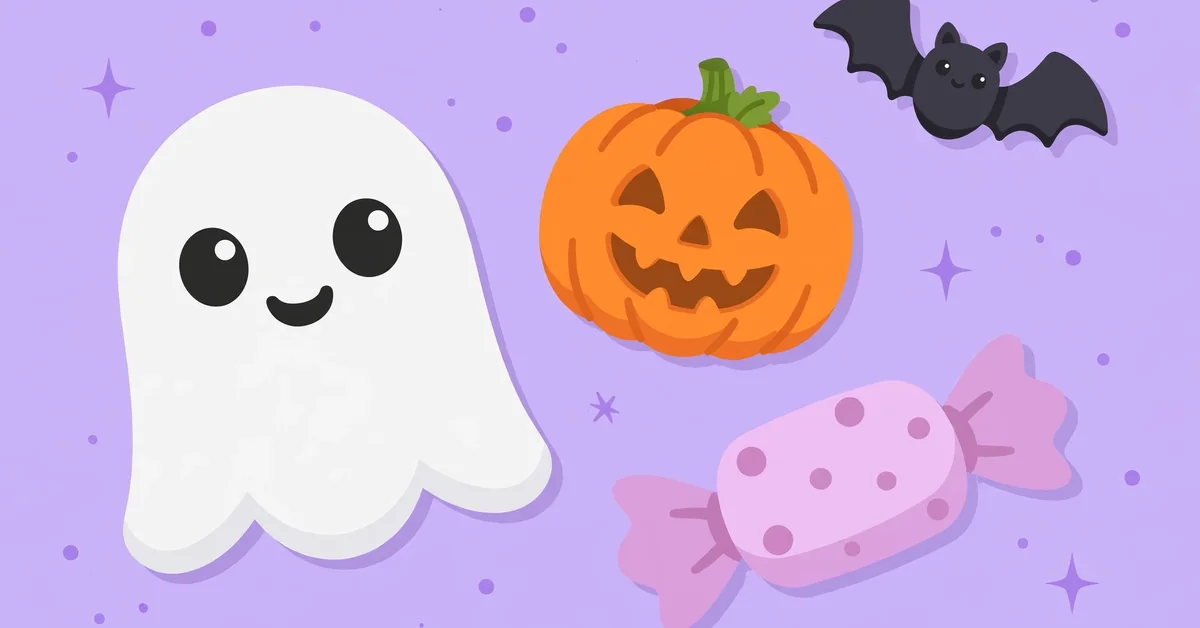
Combos turn one emoji into a tiny scene. These are the 👻 mixes people actually copy in October:
- 👻🎃🍬 — the full Halloween night: ghost, pumpkin, candy.
- 👻🕸️🕷️ — haunted-house corner, cobwebs included.
- 👻💀😱 — “this haunted house actually got me.”
- 👻🌙🦇 — spooky night sky, great for evening posts.
- 👻🍭👧 — trick-or-treat energy for family photos.
- 👻📸✨ — costume reveal post.
Keep combos short. Two to four emojis read fast. A line of twelve becomes noise, and the ghost gets lost in the crowd.
Outside October, try 👻😂 for “I’m joking,” or a lone 👻 after going quiet in a group chat — it is a funny way to say “yes, I vanished, I’m back.”
When 👻 Can Confuse People
Most of the time, 👻 is harmless. But three moments can trip you up.
First, the ghosting joke can land wrong. If a friend is truly hurt that someone stopped replying, a 👻 from you might look like you are laughing at their pain. Match the mood before you send the joke.
Second, older relatives may read 👻 as purely Halloween. Send it in March and Grandma may wonder why you are talking about October. Context words fix this — “still alive 👻 just busy” reads clear to anyone.
Third, in a serious chat — bad news, a breakup, a work problem — a ghost emoji can look careless. Silly faces do not belong next to real distress. Save 👻 for light moments.
None of this makes 👻 risky overall. It is one of the friendliest spooky emojis on the keyboard. Just read the room, the same way you would with a joke out loud.
Ghost Emoji FAQs
Is the ghost emoji only for Halloween?
No. Halloween is its biggest season, but people use 👻 all year for jokes, silly moments, and ghosting references. October just makes it louder.
What does 👻 mean when someone sends it after not replying?
It is usually a self-aware joke: “I disappeared like a ghost.” The sender knows they went quiet and is laughing about it instead of apologizing heavily.
Does 👻 always mean ghosting in dating chats?
Not always. It can mean ghosting when the chat is about someone who vanished. But a 👻 in a costume post or a joke thread has nothing to do with dating.
What is the difference between 👻 and 💀?
👻 is the ghost itself — playful and spooky. 💀 (skull) usually means “I’m dead” from laughing. One is a character, the other is a reaction.
Can I use 👻 in work messages?
In a casual team chat around Halloween, yes. In client emails or serious threads, skip it. It is a fun emoji, not a professional one.
The Bottom Line
Use 👻 when the mood is light, spooky, or a little bit silly. Remember its three faces: Halloween decoration, playful joke, and the ghosting wink. Send it to tease, to celebrate spooky season, or to admit you vanished — and it will almost always land right.

Hi, I’m Daniel Pierce, a writer at Symboliism.com who specializes in love symbols, relationship numbers, and their hidden meanings. I break down romantic signs, soulmate numbers, and emotional symbolism in a simple, relatable way. My goal is to help readers understand the deeper messages behind love, connection, and the symbols that guide our relationships.