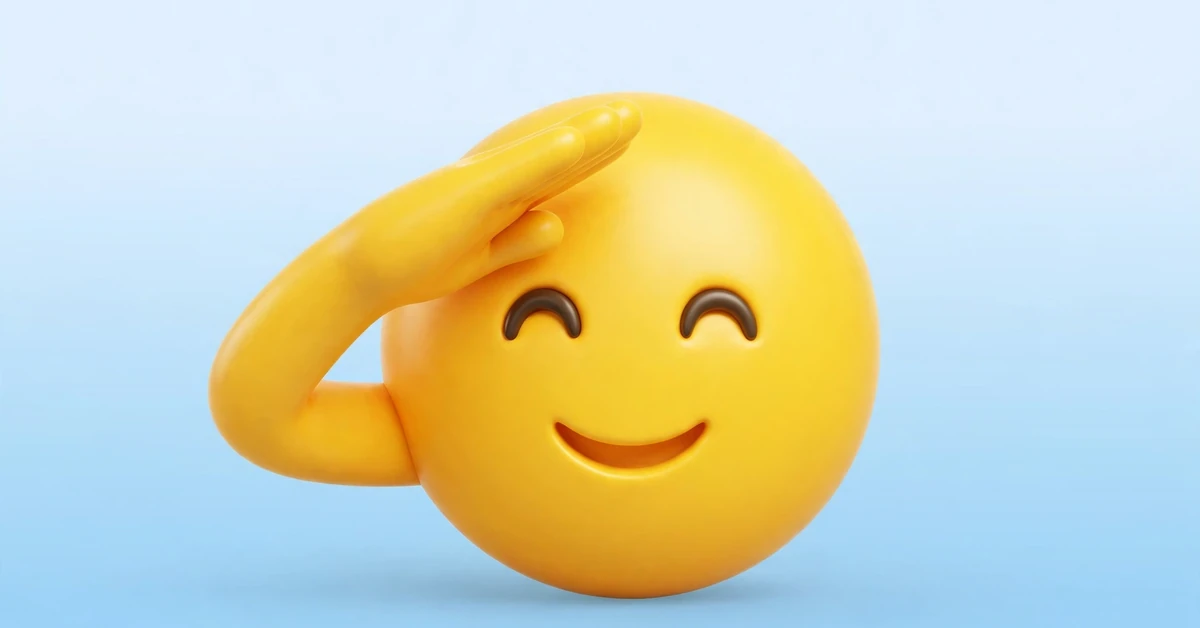
Salute Emoji Meaning: Respect, Thanks or “Yes, Boss”
A teammate finishes a brutal task. Under their message, one reply appears: 🫡. No words needed. The salute emoji means respect and thanks — a crisp “job done, I see you” — with a playful streak borrowed from gaming chats.
The saluting face is fairly new to phones, but the gesture is old, and the internet had a text version long before the emoji arrived. This guide covers both.
What Does the Salute Emoji Mean?
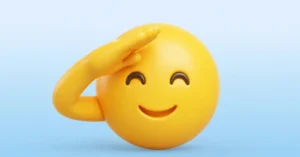
🫡 shows a face with one hand raised to the brow in a salute — the military gesture of respect. Soldiers salute officers, flags, and fallen comrades. It is a sign that means “I honor this” without a speech.
In everyday chats, the meaning loosens into three warm senses:
- Respect. “That was impressive. Noted.”
- Thanks. A weightier thank-you, with a grin under it.
- Acknowledgment. “Message received. On it.”
It almost always carries a smile under the duty. Even as a thank-you, 🫡 keeps a light, soldier-at-ease humor that a plain “thanks” does not.
Look at the design once and you will get why it reads so clearly. The raised hand covers the top half of the face, like a visor. One eye peeks out, still watching, still on duty. Even at thumbnail size in a fast chat, the shape reads at once: person, hand, brow — salute. Many emojis shrink into blobs. This one keeps its meaning all the way down, which is part of why groups adopted it so fast for quick replies.
🫡 for Respect and Thanks
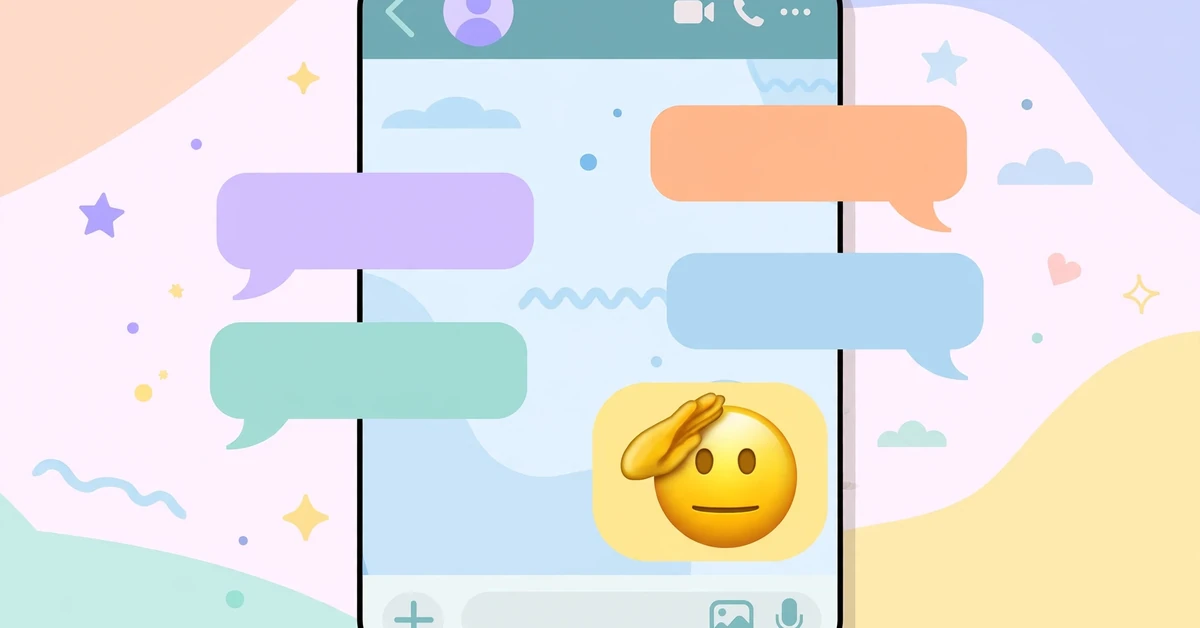
This is the emoji’s day job. Moments that earn a salute:
- A coworker covers your shift without being asked.
- A friend fixes the thing nobody else could fix.
- A captain, coach, or parent leads well under pressure.
Why does it work? A salute is respect you do, not just feel. Sending 🫡 says “your effort registered.” It suits group chats best, where the salute is a small public honor. Paired with a raised-hands cheer like the hands up emoji, it turns a reply thread into a mini award ceremony.
One caution: for deep, personal thanks — the kind after real sacrifice — words still win. The emoji opens the door; a real sentence walks through it.
You will also see it in sports and school life. Players salute a coach after a hard season. Students salute the one classmate who shared the notes that saved the exam. Fans salute a player who leaves their team with class. In all of these, the sender is rarely in any army. The salute just says the effort felt bigger than a normal thank-you — closer to honor than to politeness. That is a lot of meaning for one small hand, and it is why the emoji spread so fast once phones added it.
“o7”: The Salute in Gaming Chats
Gamers saluted for years before 🫡 existed. Their tool was two characters: o7.
Read it as a tiny picture. The “o” is a head. The “7” is an arm raised to the brow. o7 = a soldier saluting you, drawn in text.
In game chats and streams, o7 flies out when:
- A player makes a noble sacrifice for the team.
- A veteran player logs off for the last time.
- Someone gives an order the squad is proud to follow.
🫡 is o7’s younger sibling — same respect, full color. Older gamers still type o7 out of loyalty and habit. If a chat fills with o7s, you are watching respect happen in its oldest internet form.
🫡 the Funny Farewell
Not every salute is solemn. 🫡 is also the internet’s favorite dramatic goodbye:
- “My last brain cell has left the chat 🫡”
- “He went into the meeting and never came back 🫡”
- “Deleting my save file. It was an honor 🫡”
The joke treats tiny losses like fallen heroes. A dead phone battery gets a military farewell. It is gentle, self-aware humor — the salute honors the small thing way beyond its worth, and that is the funny part.
This use spreads through memes and group chats fast, because everyone has small tragedies that deserve a big goodbye.
Some groups turn it into a Friday ritual. The last task of the week gets done, someone drops “logging off, soldiers 🫡,” and the whole thread answers in kind. It is a tiny ceremony: the week’s small battles get honored, then everyone marches out. Pets get the treatment too — the cat who guarded the house all day, the dog who waited by the door. The sillier the hero, the more the salute lands, because the love inside the joke is real.
When a Salute Is Serious
Sometimes 🫡 is no joke at all. On days of remembrance, and under posts about soldiers, medics, firefighters, or rescue workers, the salute returns to its roots: honor for real service and real loss.
Read the room before you post. If the thread is grieving, 🫡 as a quiet mark of respect fits. The meme farewell does not. And in formal settings tied to the military, a salute emoji can look too casual — a written line of thanks carries the weight better.
Flags tell the same story. Under memorial posts, long strings of 🫡 appear with no jokes anywhere near them — a whole crowd standing in a quiet line, each person adding one small mark of honor. No one organizes it. It just happens, the way strangers fall silent when a flag passes. In those threads, the emoji is not casual at all. It is the closest a keyboard gets to standing at attention, and everyone reading knows it.
Salute Emoji FAQs
What does 🫡 mean in a text?
Respect, thanks, or “on it.” It salutes effort — a job done well, help given, or an order received with good humor.
What does o7 mean?
It is a text-drawn salute: “o” is the head, “7” is the raised arm. Gamers used it for years before the salute emoji existed.
Is 🫡 only for soldiers?
No. The gesture comes from the military, but online it is for anyone whose effort earns respect — teammates, friends, coworkers.
Can 🫡 be sarcastic?
Yes. A salute after a silly mistake or a fake order (“yes, boss 🫡”) is common teasing. Tone depends on the chat.
When should I avoid 🫡?
In true grief threads, formal condolences, or strict work settings, choose written words. The emoji is warm but light.
Final Word
🫡 packs honor into one small face. Send it when effort deserves a public nod — and reach for real words when the thanks run deep.

Hi, I’m Daniel Pierce, a writer at Symboliism.com who specializes in love symbols, relationship numbers, and their hidden meanings. I break down romantic signs, soulmate numbers, and emotional symbolism in a simple, relatable way. My goal is to help readers understand the deeper messages behind love, connection, and the symbols that guide our relationships.