Ever seen someone reply you bet in a chat and wondered what it actually means?
For example:
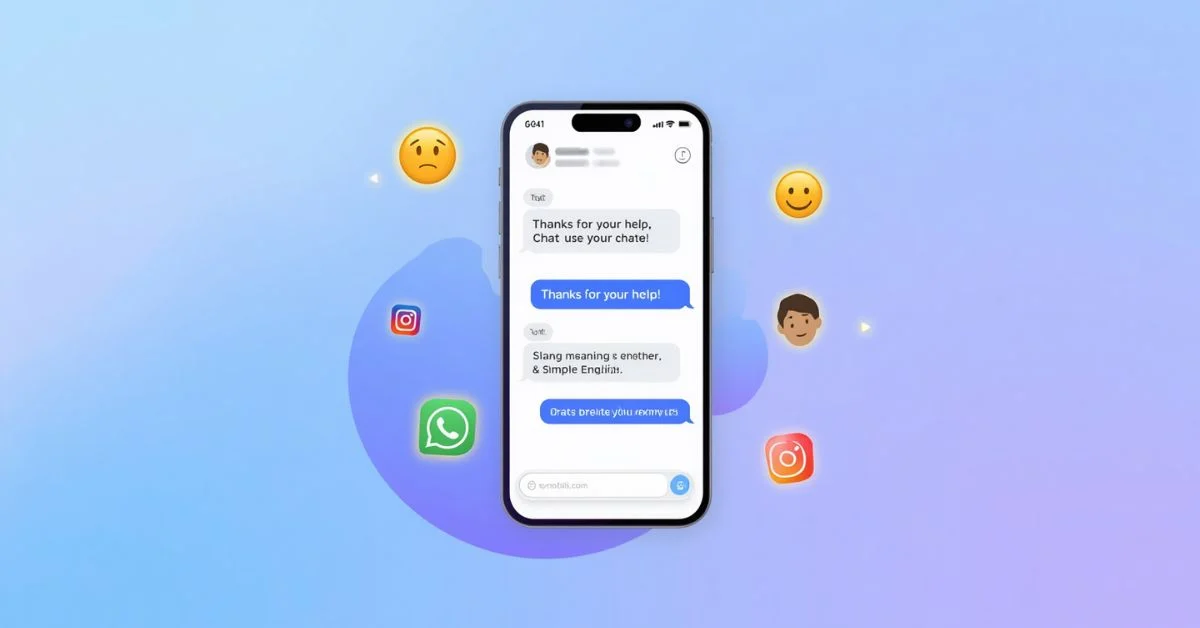
Friend: Thanks for your help!
You: You bet!
Or maybe:
Can you come today?
Yeah, you bet.
Now you’re stuck thinking Is it yes? Is it you’re welcome? Or just slang?
That confusion is exactly why people search this phrase on WhatsApp, Instagram, Snapchat, and even Google. In modern texting, short slang words carry different tones, and you bet is one of those flexible expressions.
In simple terms, it is used to show agreement, confirmation, or a friendly no problem. But the meaning changes slightly depending on context and tone.
From a language perspective, this is a classic case of informal English where context matters more than grammar rules. That’s why understanding it correctly helps you avoid awkward replies in real conversations.
What Does You Bet Mean in Text?
In texting, you bet means: definitely, sure, or you’re welcome.
It is a casual and friendly way to respond.
In simple language:
👉 It shows strong agreement or a positive response.
Related expression: You bet meaning
Is You Bet Formal or Informal?
You bet is informal slang, commonly used in daily conversations.
It belongs to modern conversational English, especially in:
- casual chats
- friendly replies
- social media messages
It is part of everyday English Slang, not professional writing.
So you should avoid it in:
- business emails
- official communication
- academic writing
How You Bet Is Used in Real Chats
Here are natural examples:
1. Agreement
A: Are you coming tonight?
B: You bet!
2. After Thanks
A: Thanks for helping me!
B: You bet!
3. Excited Response
A: Do you want pizza?
B: Oh, you bet!
In all cases, the meaning stays friendly and positive.
Does You Bet Change With Gender or Person?
No, it does not depend on gender.
But tone can change:
- Friendly : simple yes
- Playful : slightly flirty energy
- Strong : confident agreement
So the emotion matters more than the speaker.
Is You Bet Polite or Rude?
Most of the time, it is polite and relaxed.
But in rare cases, it can sound slightly strong or sharp if used alone in serious situations.
Example:
A: You will do it.
B: You bet. (can sound confident or slightly challenging)
So context decides tone, not the phrase itself.
When Should You Use You Bet?
Use it in casual situations like:
- chatting with friends
- replying to thanks
- confirming plans
- informal social media messages
It works best when the conversation is relaxed and friendly.
When Should You Avoid It?
Avoid using it in:
- job interviews
- formal emails
- professional meetings
- academic writing
In those cases, use:
- Sure
- Of course
- You’re welcome
What Does You Bet Mean After Thanks?
When someone says thank you and you reply you bet, it simply means:
👉 You’re welcome or no problem
It is a casual alternative to formal replies.
Similar Slang Expressions
Here are some related terms:
- Bet : short form of agreement
- I bet : strong statement or assumption
- Sure : simple yes
- Of course : polite agreement
- No problem : casual response
These all overlap in meaning but differ in tone.
Regional and Platform Usage
WhatsApp, Instagram, Snapchat
The meaning stays the same everywhere:
- agreement
- confirmation
- friendly response
Canada & North America
It is more commonly used in spoken and casual English, meaning:
- definitely
- sure thing
- you’re welcome
You Bet in Other Languages
- Hindi: पक्का / ज़रूर
- Urdu: ضرور / بالکل
- Spanish: por supuesto
- French: bien sûr
- Tamil: நிச்சயமாக
- Tagalog: oo naman
Is You Bet Sarcastic?
Sometimes, yes but rarely.
Example:
A: You’ll fail.
B: You bet. 😏
Here it becomes a confident or ironic reply, depending on tone.
But in normal conversation, it is not sarcastic.
Common Confusion: Bet vs You Bet
- Bet : modern slang meaning ok or deal
- You bet : stronger, fuller response meaning of course or you’re welcome
Both are correct, but you bet feels more expressive.
FAQs
Is you bet positive?
Yes, it is a positive expression.
Can I use it with elders?
Yes, but sure or of course is more respectful.
Is it common in texting?
Very common in casual chats.
Does it always mean you’re welcome?
Not always. It can also mean definitely.
Is it formal English?
No, it is informal slang.
Conclusion
You bet is a simple but powerful slang phrase used in everyday English. It mainly means definitely, yes, or you’re welcome, depending on context.
It works best in casual conversations where the tone is friendly and relaxed. Now that you understand it clearly, you can confidently use it in chats without confusion.
The key is simple: don’t translate it word by word, understand the situation, and the meaning becomes natural.
Discover More About!
- Doge Meaning Elon Musk Explained: Meme, Crypto & Slang
- Is Trilobite Slang? Meaning in Text, Chat & Social Media Explained
- WYFF Meaning in Text Explained

Hi, I’m Oliver Grant, a symbols and numbers researcher at Symboliism.com. I specialize in decoding the hidden meanings behind spiritual signs, numerical patterns, and everyday symbols. I love turning complex symbolism into simple, clear explanations that help readers understand the messages guiding their life, intuition, and decisions.