Waning Gibbous Emoji: The Moon Just Past Full
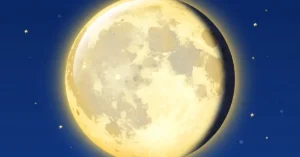
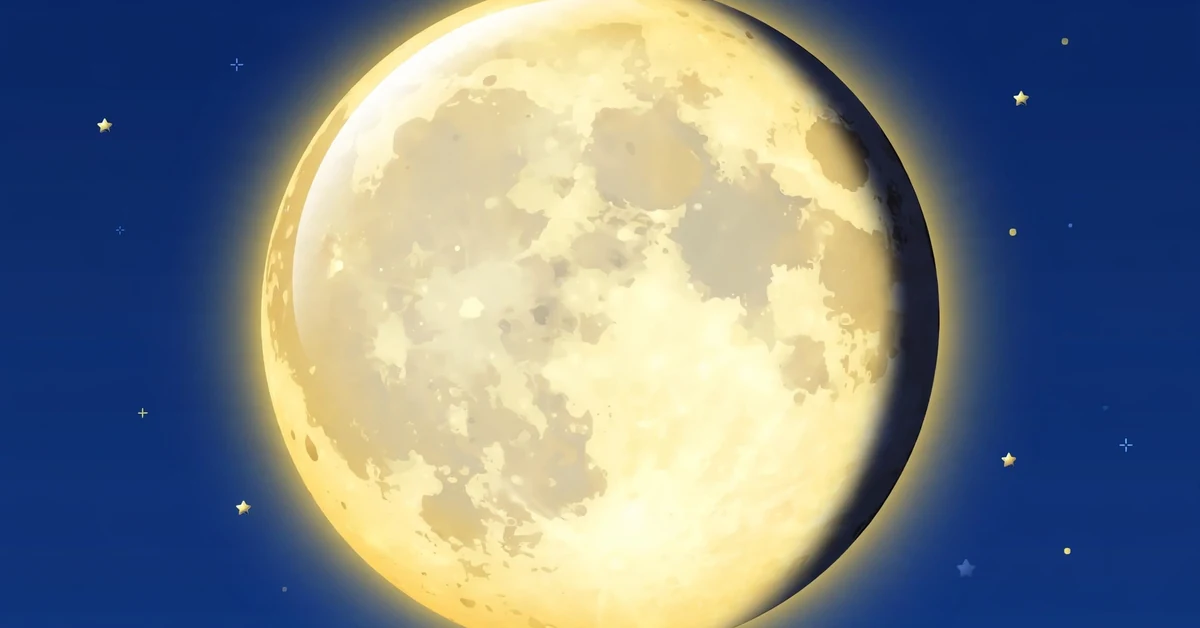
The waning gibbous emoji 🌖 shows the moon in the nights right after the full moon. Most of it is still lit, but the light has started to shrink.
If the full moon is the peak of the party, 🌖 is the morning after — still bright, still beautiful, but clearly winding down. The dark edge has begun its slow walk across the face, and it will keep walking for about two weeks.
What Is the Waning Gibbous Moon?
“Waning” is an old word for shrinking. Any moon that loses light night by night is waning, and the waning gibbous is the first phase of that fade.
It begins the night after the full moon. From Earth, the disc still looks nearly complete. Only a thin dark bite is missing from one side. Night by night, that bite grows:
- The lit part stays above half for several nights. More than half lit, but shrinking — that is waning gibbous.
- The phase lasts about a week, until only the left half remains lit at the last quarter.
- It covers roughly days 16 to 21 of the lunar month.
“Waning” is the key word. It is an old term for lessening or fading away. While a waxing moon “waxes on” — growing brighter — a waning moon quietly lets go of its light, step by step, back toward dark.
This phase keeps late hours. A waning gibbous moon rises after sunset, later each night, and it is still up in the morning sky after the sun comes up. Daytime moon photos in the west? Very often, this is the phase you caught.
🌖 vs 🌔: Growing or Shrinking?
These two emojis are the most mixed-up pair on the keyboard. They look like twins. They are actually opposites, and one glance at the light tells them apart.
🌖 Waning Gibbous keeps its light on the left. The right side is where the dark is creeping in. This moon is past full and shrinking.
🌔 Waxing Gibbous keeps its light on the right. The dark slice sits on the left and gets thinner each night. This moon is not yet full and growing.
That rule works for Northern Hemisphere viewers, and it is the view the emojis copy. Here is the memory trick readers swear by: light on the right, getting bright; light on the left, light has left. If the bright side points left, the moon is on its way out.
Our waxing gibbous emoji guide walks through the growing twin in full. Read the pair together and the whole moon row of your keyboard suddenly makes sense.
One more test, if you are looking at the real sky: a waning gibbous rises late at night. A waxing gibbous is already up in the afternoon. When you saw it tells you which one it is.
The Moon’s Story: After the Full Moon
The lunar month has two halves. Waxing is the climb. Waning is the walk back down — and the waning gibbous is the first stretch of that descent.
There is a calm to this phase that sky watchers talk about. The full moon gets the songs and the festivals. The waning gibbous gets the quiet watchers: the ones up late, the ones driving home under a still-bright sky, the ones who notice the dark edge and know the cycle is turning.
Journaling and astrology writers use that mood on purpose. In their pages, the waning gibbous stands for release and review. What did the full moon show you? What can you set down now? The moon is literally letting go of light, a little each night, and people borrow that image for their own wind-down weeks.
Gardeners read it too. Old planting calendars treat the waning half as the time for root crops and for pulling weeds — work that turns inward and downward, matching the moon.
None of this makes 🌖 a sad emoji. It is a rested one. The bright rush is over, and what is left is steady light and a slower sky.
Moon Phase Emojis in Order
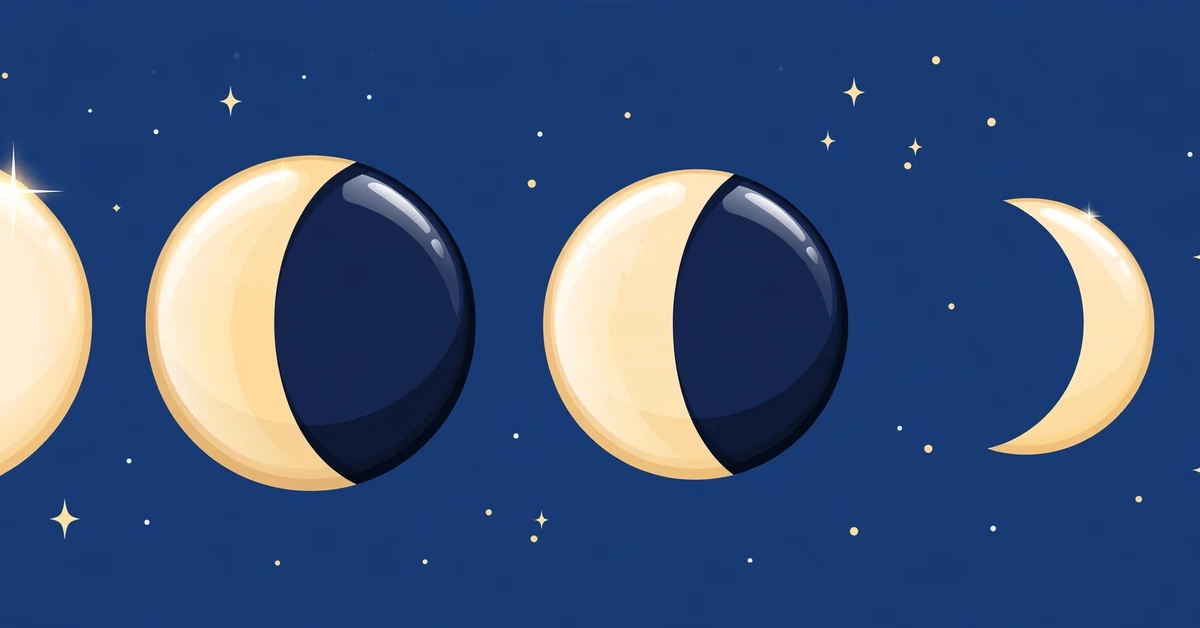
The full cycle, starting from the full moon so you can watch this phase in context:
| Emoji | Phase | Light |
|---|---|---|
| 🌕 | Full Moon | Fully lit — the peak |
| 🌖 | Waning Gibbous | Mostly lit, shrinking from the right |
| 🌗 | Last Quarter | Left half lit |
| 🌘 | Waning Crescent | Thin sliver, still fading |
| 🌑 | New Moon | Fully dark |
| 🌒 | Waxing Crescent | Thin sliver, growing |
| 🌓 | First Quarter | Right half lit |
| 🌔 | Waxing Gibbous | Mostly lit, still growing |
Read the table top to bottom and you can see the dark take its half of the journey, then hand the sky back to the light. 🌖 sits at the head of the fading half — the phase where the turn begins.
Posters who follow the moon often keep all eight in their notes app. It is the fastest way to tag a night photo with the right phase.
Why 🌖 Shows Up in Night Posts
This emoji has its own corners of the internet.
Late-night posts favor it without even knowing why. 🌖 rises late, so it belongs to night owls, shift workers, and 2 a.m. thoughts. The full moon feels like an event. This one feels like company.
Wind-down content uses it on purpose: end-of-project notes, post-launch rest days, “the big week is over” captions. It says the peak passed and we are all still standing.
Sky photography accounts post it honestly, because it is simply what the moon looks like for about a week each month. Morning shots of a pale moon in a blue sky are almost always this phase or its crescent children.
Study and reading pages like its calm. No festival energy, no new-moon darkness — just a steady lamp that asks nothing.
Wherever it lands, 🌖 carries the same message: still glowing, in no hurry, letting the night be quiet.
Waning Gibbous Emoji FAQs
Which side is dark on a waning gibbous moon?
For Northern Hemisphere viewers, the right side. The dark edge starts on the right just after full moon and grows leftward. The Southern Hemisphere view is flipped.
How long does the waning gibbous phase last?
Roughly a week. It runs from the night after the full moon until the last quarter, when exactly half the face stays lit.
What is the difference between waning gibbous and waning crescent?
Size of the light. Gibbous means more than half is still lit. By the waning crescent 🌘, only a thin sliver remains, a few nights before the new moon.
When can I see a waning gibbous moon?
It rises in the late evening, later each night, and stays visible into the morning. Look east late at night, or west after sunrise for the pale daytime view.
Does 🌖 mean something in astrology posts?
Yes — it is often tied to gratitude, review, and release: taking stock after a peak and letting go of what is done. The full moon gets the wishes; this phase gets the lessons.
The Quiet Turn
The waning gibbous is the moon exhaling — most of its light still there, the rush behind it. Use 🌖 for the nights after the big moment, when things are calm, bright, and slowly settling.

Hi, I’m Lena Foster, a symbolism expert and content writer for Symboliism.com. I specialize in explaining the meanings behind symbols, numbers, and signs in a simple, engaging way. I love turning complex spiritual and cultural symbolism into clear, easy-to-read guides that help readers understand the messages around them.