Dog Emoji Meaning: Puppy Love in Emoji Form
The dog emoji stands for puppy love, loyalty, and warm, happy feelings. People send 🐶 for their own pets, for cute dog videos, and as a soft reaction to anything sweet.
Few emojis earn instant smiles like this one. A dog face needs no caption and no context. Send it, and the whole chat gets it: something good, loyal, and a little bit fluffy just showed up.
What Does the Dog Emoji Mean?
At its core, the dog emoji is about the bond between people and dogs. Dogs mean loyalty. They mean joy at the door when you come home. They mean a friend who is always glad to see you.
That is why 🐶 shows up in so many kinds of posts:
- Pet posts. Owners drop 🐶 or 🐕 under photos of their own dogs. It works like a tiny label: yes, this post is about my best friend.
- Reactions. A puppy video, a rescue story, a dog in a Halloween costume — 🐶 is the “my heart just melted” reply.
- Soft feelings. Sometimes there is no dog at all. People add 🐶 to say “this made me happy in a simple, pure way.”
The tone is almost always warm. Unlike many face emojis, the dog has no sarcastic second life. Nobody sends 🐶 to insult anyone. It is one of the safest, kindest emojis on the whole keyboard.
That warmth comes from the animal itself. Dogs read as honest. They do not play mind games, hide feelings, or hold grudges. A cat emoji can feel cool and mysterious. A dog emoji feels like a friend sprinting to the door because you came home. People borrow that feeling every time they tap 🐶 — even in chats where no real dog exists. The emoji lends any message a little loyalty.
🐶 vs 🐕: Face or Full Dog?
Your keyboard holds two main dog emojis, and they do slightly different jobs.
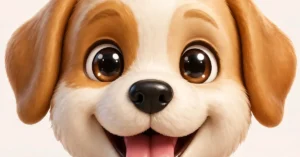
🐶 Dog Face is the close-up: big eyes, floppy ears, tongue out on most phones. It is the cute one. People use it for feelings — puppy love, excitement, “look at this face.” It is the default pick for reactions and captions about puppies.
🐕 Dog is the full body, standing side-on, plain and simple. It reads more like a label than a feeling. People use it in lists, in “dog friendly” notes, and in posts about dogs in general rather than one special puppy.
Two relatives complete the set. 🐩 Poodle is the fancy one, used for glam pets and jokes about high-maintenance energy. 🐕🦺 Service Dog wears a vest and stands for trained help dogs. It appears in posts about assistance, access, and awareness.
Simple rule: feelings get the face 🐶, facts get the full dog 🐕.
Dog Posts: Pets, Rescues and Lost Dogs
Dog emojis do real work in pet communities, not just cute work.
Everyday pet posts are the biggest use. Birthdays (“gotcha day”) for adopted dogs, vet visit updates, first snow photos — 🐶 and 🐕 run through all of them. Groomers, walkers, and shelters put a dog emoji in their bios so visitors know the page at a glance.
Rescue and adoption posts lean on the dog emoji too. A “please share” post about a dog who needs a home often pairs 🐶 with a location and a plea. The emoji stops the scroll. It tells you in half a second: this post is about a dog, and it matters.
Lost dog posts work the same way. Owners write “LOST 🐕” at the top so neighbors spot the key fact fast. In these posts the emoji is not decoration. It is a headline.
Cat people run the same playbook, by the way. Our cat emoji guide shows how 🐱 does the same jobs for the other half of the pet world.
“My Dawg”: The Friendly Slang Sense
Not every dog emoji is about an animal. In casual slang, “dawg” means a close friend — your person, your crew member, your ride-or-die.
So a comment like “that’s my dawg 🐶” under a friend’s photo is not about pets at all. It is a compliment. It says: this one is loyal, this one is family.
You will see it most in sports posts, music comments, and birthday shout-outs for best friends. The spelling gives it away — “dawg” with an “aw” is the slang word. But the emoji is the same loyal dog, because that is the point: a dawg is loyal like a dog.
Keep this sense for close friends and casual posts. It is warm slang, but it is still slang. A work email is not the place for it.
Dog Combos for Pet Captions
Combos turn the dog emoji into a small scene. These mixes get copied a lot:
- 🐶❤️🏠 — a dog, loved, at home. The adoption-post classic.
- 🐶🎂🎉 — gotcha day or dog birthday.
- 🐶🦴 — treats and good behavior.
- 🐶🐾🌳 — walk time at the park.
- 🐶📸✨ — the proud photo dump of your dog.
- 🐶😴💤 — a sleepy puppy, post-play crash.
Two to four emojis is the sweet spot. A long line turns into noise, and the sweet face that started it gets lost.
For a name reveal or a new puppy post, keep the combo even simpler: 🐶 + the name + ❤️. Clean beats clever when the photo is already this cute.
Dog Emoji FAQs
Can I use the dog emoji if I do not own a dog?
Yes. 🐶 works as a reaction to any dog content, and the “my dawg” slang sense needs no pet at all. Loving dogs is enough.
What is the difference between 🐶 and 🐩?
🐶 is the everyday dog face — cute and general. 🐩 is a poodle, used for fancy, pampered, or glam pet jokes. When in doubt, pick 🐶.
What does 🐕🦺 mean in a post?
That is the service dog emoji. It stands for trained assistance dogs and shows up in posts about access rights, training, and awareness days.
Is the dog emoji ever rude?
Almost never. Old slang once used “dog” as an insult for looks, but the emoji itself reads warm and friendly today. Context would have to work very hard to make 🐶 mean.
Which dog emoji is best for a profile bio?
🐶 if your page is about your own pet and feelings. 🐕 if you run a service — walking, grooming, boarding — and want a clean, simple label.
A Quick Goodbye Wag
The dog emoji keeps one promise: it always means something good. Loyalty, joy, a friend who never holds a grudge. Send 🐶 for the pet posts, the puppy videos, and the friends who feel like family — it will land warm every time.

Hi, I’m Oliver Grant, a symbols and numbers researcher at Symboliism.com. I specialize in decoding the hidden meanings behind spiritual signs, numerical patterns, and everyday symbols. I love turning complex symbolism into simple, clear explanations that help readers understand the messages guiding their life, intuition, and decisions.