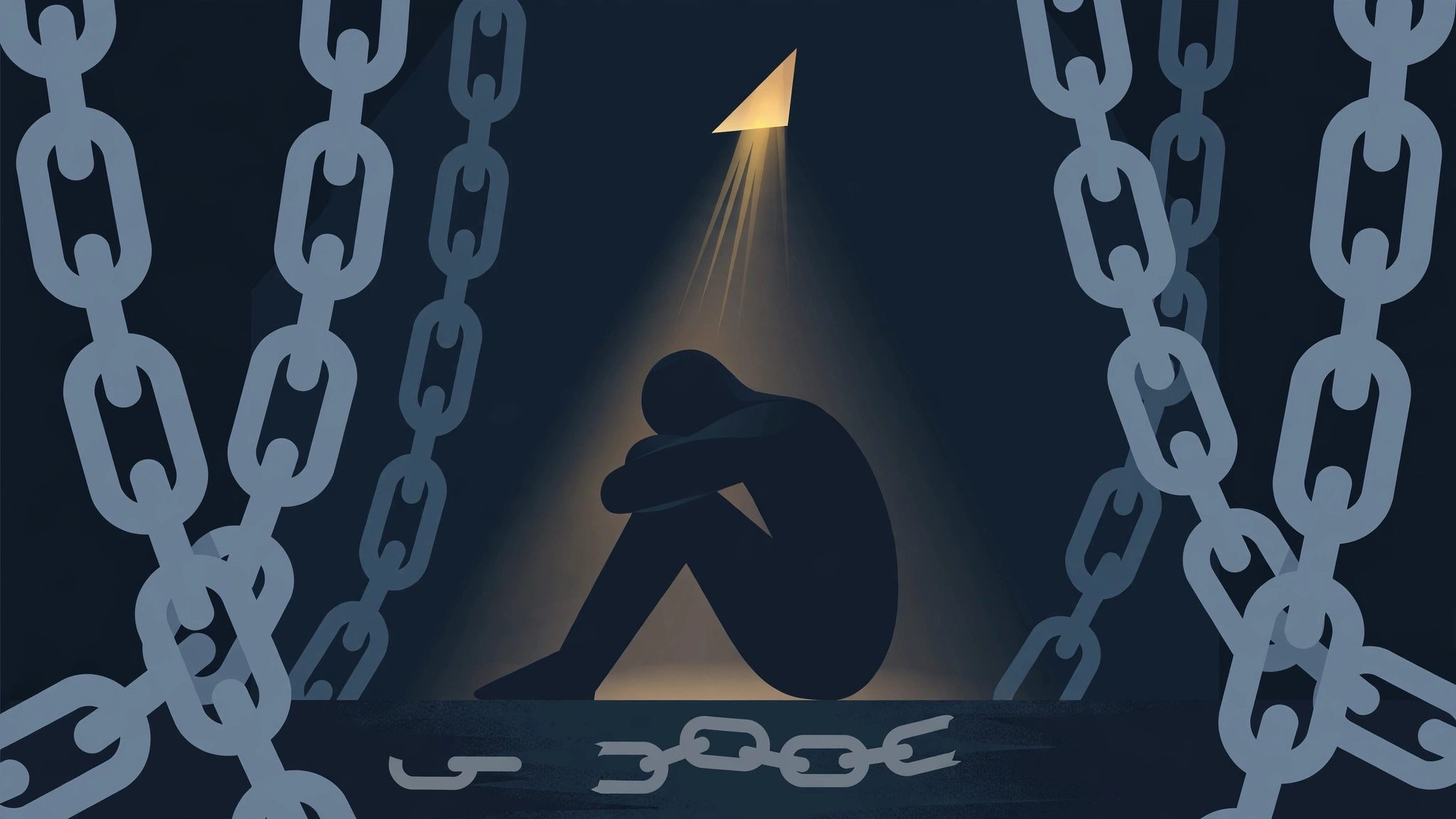
Torture means deliberately causing severe pain or suffering to a person, usually to punish them, force information out of them, or control them through fear. That is the quick answer. In simple words, torture is severe suffering — physical or mental — inflicted on purpose, most often on someone who cannot escape or fight back. It is a grave word.
The United Nations bans torture absolutely, calling it a crime in every situation, and lawyers, doctors, and historians treat it with real seriousness. In everyday talk the word also shows up lightly (“that exam was torture!”), and this guide explains both uses honestly and without graphic detail.
The key takeaway: torture always means severe suffering caused deliberately — never an accident.
What does torture mean?
At its core, torture is the deliberate infliction of severe pain or suffering on a person. Four elements matter in almost every serious definition. First, the suffering is severe, not a minor discomfort. Second, it is done on purpose, not by accident. Third, there is usually a goal behind it — punishment, extracting information or a confession, intimidation, or discrimination. And fourth, the victim is typically under someone’s control — a prisoner, a detainee, a person who cannot walk away. When those pieces come together, the word applies. Torture can target the body or the mind; modern definitions are clear that severe mental suffering counts too.
| Sense | Meaning | Simple example |
|---|---|---|
| Literal / legal | Severe pain or suffering inflicted deliberately, usually by or with the approval of officials | The commission condemned the torture of prisoners. |
| Everyday / figurative | Anything that feels unbearable, painfully slow, or agonising to endure | Waiting for the results felt like pure torture. |
Notice the distance between the two senses. The legal meaning is a specific, grave crime; the everyday meaning is an exaggeration that borrows the word’s weight. Honest writers keep that distance in view, and this article does the same.
Where does the word torture come from?
Torture reaches English from the Latin word tortura, meaning “a twisting,” which comes from torquere, “to twist.” The picture behind the word is something being twisted out of its natural shape — a grim image for what the act does to a person. The word passed through Old French into Middle English, and for centuries it named a real practice in courts and prisons. That history is well documented: many legal systems once allowed it, then slowly abandoned it as societies judged it cruel and unreliable — pain can force people to say anything, true or false. In 1984 the United Nations adopted the Convention Against Torture, an absolute ban: no war, no emergency, no “superior orders” can justify it. Today the prohibition stands in the Geneva Conventions and in the laws of nearly every nation, even where violations are still reported and punished as crimes.
How to use torture in sentences
Here are three natural examples, moving from the serious sense to the lighter one:
“The court’s judgment recognised that the prisoners had suffered torture and ordered their release.”
“Sitting through that six-hour delay at the airport was absolute torture.”
“Don’t torture yourself over one mistake — learn from it and move on.”
Used as a verb, to torture usually sounds serious; used in phrases like “torture yourself,” it simply means to agonise mentally over something again and again.
Similar words to torture
- Torment — the closest twin: severe, often long-lasting suffering; as a verb, to torment someone.
- Agony — intense pain or suffering itself, physical or emotional; it names the experience, not the act.
- Cruelty — behaviour that enjoys or ignores another’s suffering; wider, and also used of animals.
- Persecution — long-term cruel and unfair treatment of a person or group, often for their beliefs.
- Suffering — the broad, neutral word for enduring pain; torture is its deliberate, inflicted extreme.
When to use torture — and when to choose another word
Use torture when:
- You describe real, deliberately inflicted severe suffering — in history, law, journalism, or human-rights writing.
- You discuss bans and protections: the UN Convention, war-crimes trials, refugee claims.
- You speak figuratively among friends, where everyone understands the playful exaggeration.
Choose a different word when:
- Real victims are part of the story — light use (“the queue was torture”) can sound dismissive next to genuine suffering.
- You write professionally and only mean “very dull or painful” — agonising, excruciating, or unbearable carry the weight without the legal gravity.
- The suffering is serious but not deliberate or controlled — that is misery or agony, not torture.
FAQs about torture
What is torture in simple words?
It means deliberately causing someone severe pain or suffering, usually to punish them, force information, or frighten them into obedience. It is banned under international law everywhere.
Is torture legal anywhere in the world?
No. The United Nations Convention Against Torture (1984) and the Geneva Conventions prohibit it absolutely — no war, emergency, or order from a superior can make it legal. Where it still happens, it is treated as a crime.
What is the difference between torture and torment?
Torment is wider: any severe, drawn-out suffering, and also the act of causing it. Torture is narrower and heavier — deliberate infliction, usually with a goal and a victim under control, and it is the word law and history use.
Can torture be mental rather than physical?
Yes. Modern legal definitions expressly include severe mental suffering — such as credible threats, humiliation, and prolonged isolation — alongside physical pain. The mind can be the target, not only the body.
Why do people say “this wait is torture”?
That is figurative exaggeration: the speaker borrows a heavy word to say the wait feels endless and unbearable. It is common, understood by everyone, and harmless in casual speech — just not beside real suffering.
Final thoughts on torture
Torture is one of the heaviest words in English, and it deserves to keep its weight: severe suffering, inflicted on purpose, banned without exception by the law of nations. Its lighter figurative cousin appears in our jokes about queues and exams, and that is fine — as long as we remember the real thing it borrows from.
Use torture literally only for deliberate, severe suffering; use it lightly only where the exaggeration is clearly kind.

Hi, I’m Elena Brooks, a symbolism writer for Symboliism.com with a passion for spiritual growth numbers and their deeper meanings. I specialize in explaining awakening symbols, soul-path signs, and transformation numbers in a clear and inspiring way. My goal is to help readers understand the messages that guide their spiritual journey and personal evolution.