Tod is an old English word for a male fox. That is the quick, classic answer. But this small three-letter word wears several other hats, and readers meet them all in modern life: on British streets, “on your tod” means completely alone; in hospitals and police reports, TOD stands for time of death; on bank forms, TOD means transfer on death; and in German, Tod — always with a capital T — simply means death. This guide calmly unties the knot, sense by sense.
The key takeaway: lowercase tod is the fox; capitals TOD are paperwork; German Tod means death itself.
What does tod mean?
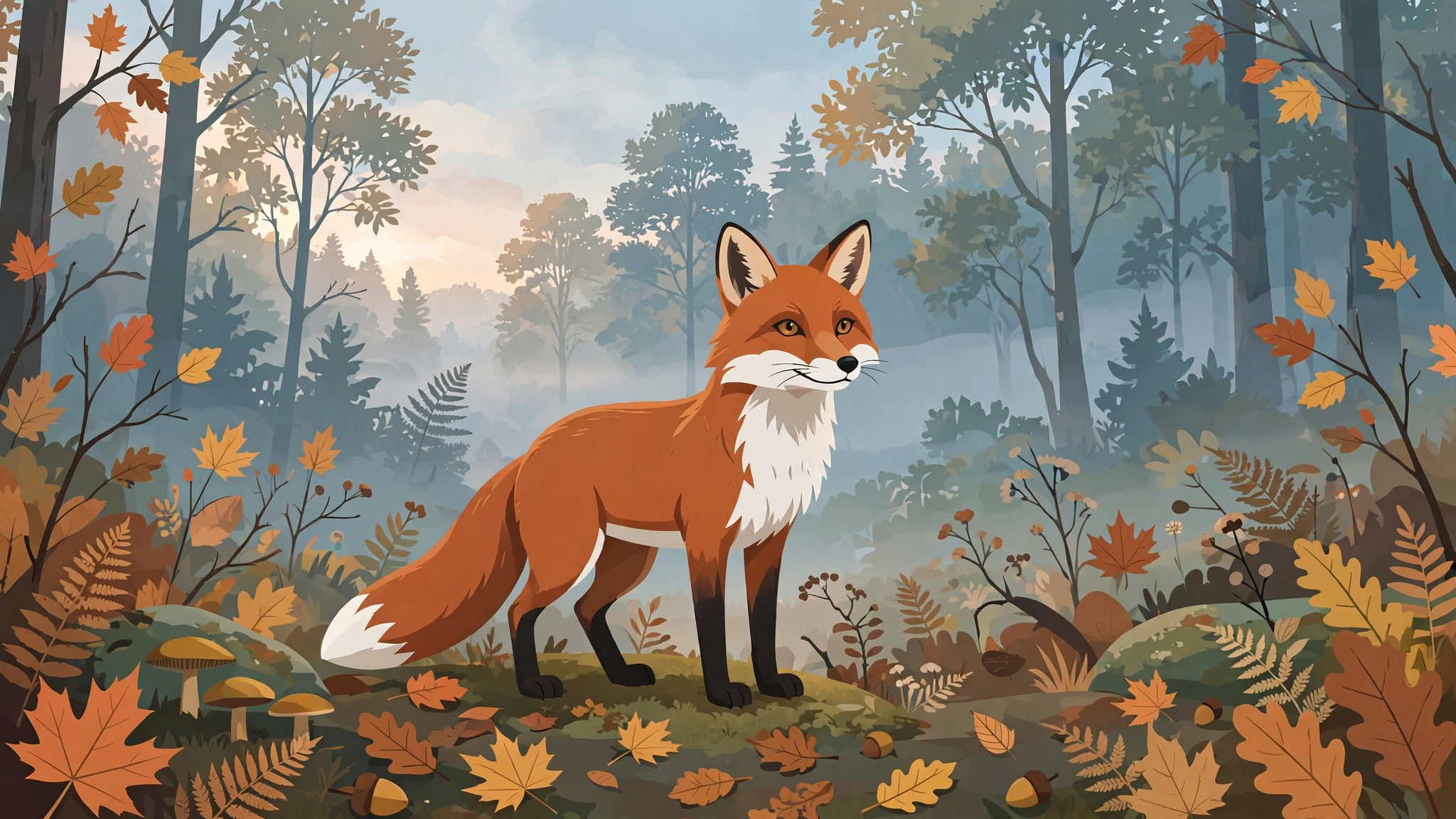
In its oldest job, tod is the male of the fox. Country speech makes a tidy family: the male is a tod, the female is a vixen, and the young are cubs. Farmers, gamekeepers, and storytellers across Britain used tod for centuries, and the word still survives in hunting talk, place-names, and surnames. The other senses were born far away from the hedgerows, so a small table keeps them straight:
| Sense | Meaning | Where you meet it |
|---|---|---|
| tod (old English noun) | A male fox | Country speech, old stories, nature writing |
| “on your tod” | Completely alone, on your own | British slang: “I went on my tod” |
| TOD — time of death | The official time a person died | Hospital charts, police and coroner reports |
| TOD — transfer on death | An account that passes straight to a named person when the owner dies | US bank and investment forms |
| Tod (German noun) | Death | German books, news, and films (“der Tod”) |
One word, four worlds: the field, the street, the office, and another language. Context — and capital letters — always tell you which one you are holding.
Where does tod come from?
Honestly, the fox word’s deepest roots are uncertain. Tod is written down in Middle English more than six hundred years ago, but what came before is debated. Some scholars suggest an Old Norse cousin; others wonder whether it first described something bushy — a “tod” was also an old weight of wool, and few things in nature are bushier than a fox’s tail. No one has proved the line, and careful dictionaries admit it. The slang phrase is younger and better documented: “on your tod” is rhyming slang built on Tod Sloan, a famous American jockey around 1900 — Tod Sloan stands for “own,” as in “on your own.” German Tod, finally, is unrelated to the fox: it descends from Old High German tōd and is a close cousin of the English word death — same ancient family, different spelling.
How to use tod in sentences
Here are three natural examples, one for each English sense:
“An old tod slipped along the hedgerow at dawn, its brush bright with frost.”
“Everyone else cancelled, so I watched the match on my tod.”
“She registered the account as TOD so the savings would pass straight to her daughter.”
The hospital sense lives in notes rather than conversation: a nurse or doctor records the TOD on the chart, quietly and precisely.
Similar words to tod
- Vixen — a female fox; tod names the male of the pair.
- Cub — a young fox (some regions say “kit”).
- Dog fox — the plain descriptive phrase that does tod’s original job in modern English.
- Reynard — the fox’s name in old European animal tales; tod is the working countryside word.
- Todd — the surname that grew from this word, once a nickname for a fox-like or fox-hunting man.
When to use tod — and when to spell it out
Use tod when:
- You write about nature, farming, or old stories and want the authentic country word.
- You chat in Britain — “on your tod” is warm, funny, and understood at once.
- You complete US paperwork where TOD (transfer on death) is the official term.
Choose a plainer word when:
- Your readers may not know country English — “male fox” cannot be misunderstood.
- You write a formal report: spell out “time of death” once before using TOD.
- You write German and drop the capital — in German, tod small would simply be a spelling error, since nouns take capitals.
FAQs about tod
What animal is a tod?
A tod is a male fox — the old countryside word for it. The female is a vixen, and the babies are cubs. “Dog fox” says the same thing in plain modern English.
What does “on your tod” mean?
It means completely alone, on your own. It is British rhyming slang: Tod Sloan, a champion jockey, stands for “own” — “on your Tod Sloan” shortened over time to “on your tod.”
What does TOD mean in a hospital?
There, TOD means time of death — the exact moment a doctor confirms a patient has died. It is recorded in medical charts, death certificates, and official reports.
What is a TOD account at a bank?
TOD there means transfer on death, common in the United States. The owner names a beneficiary who receives the money or investments directly when the owner dies, without waiting for a will to be processed.
Does Tod really mean “death” in German?
Yes. In German, der Tod is the ordinary word for death, and German capitalises every noun, so you will always see it as Tod. It is a coincidence that it matches the English fox word letter for letter.
Final thoughts on tod
Few tiny words work so many shifts. A tod trots through old English fields, keeps Londoners company in slang, keeps records straight in hospitals and banks, and — with a German capital — names the most serious thing of all.
Hold the fox in mind first, and let capitals and context sort out the rest.

Hi, I’m Oliver Grant, a symbols and numbers researcher at Symboliism.com. I specialize in decoding the hidden meanings behind spiritual signs, numerical patterns, and everyday symbols. I love turning complex symbolism into simple, clear explanations that help readers understand the messages guiding their life, intuition, and decisions.