Few emojis make people laugh on sight. The poop emoji 💩 is one of them — a smiling brown swirl that shows up in jokes, birthday posts, and bad-day rants.
So what does it actually mean? The poop emoji is a joke first. People send it to say “that was a mess,” “I feel like crap,” or simply to make a chat sillier. It is almost never about real poop.
What Does the Poop Emoji Mean?
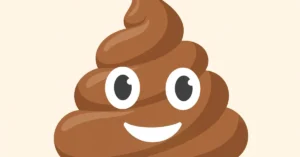
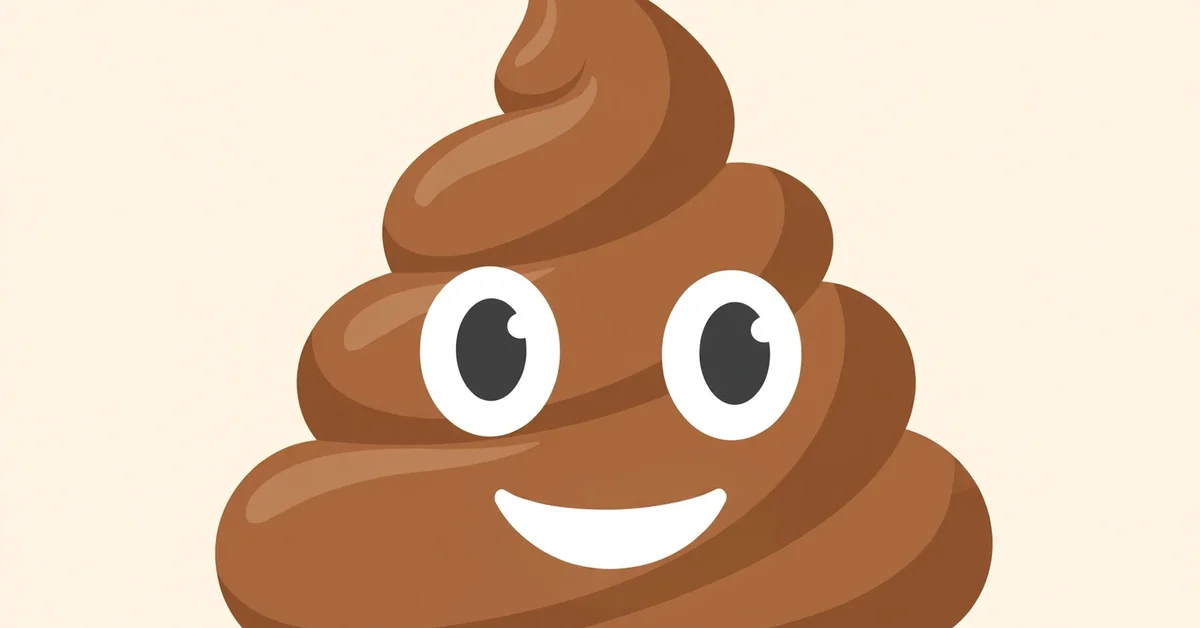
The design tells the story: a coiled pile with big round eyes and a grin. Its official name is “Pile of Poo.” Designers gave it a friendly face on purpose — it reads as a character, not a mess.
At its core, 💩 stands for:
- A funny failure. “My recipe 💩” means the recipe went badly, not anything literal.
- “Crap” as slang. People use it where they’d say “that movie was crap.”
- Self-mockery. Sending it about yourself is a way to laugh at your own mess.
- Playful gross-out. Especially among kids and close friends.
Tone does the heavy lifting. From a friend, 💩 is comedy. From a stranger, the same emoji can read as an insult. The picture never changes — the relationship does.
The chat type matters too. In a friends-only chat, 💩 flows freely and nobody blinks. Drop it into a family group with grandparents and younger cousins reading along, and it suddenly looks bolder than you meant. Same emoji, same joke — the room changed. Reading the room first is half of using 💩 well.
💩 as a Joke Between Friends
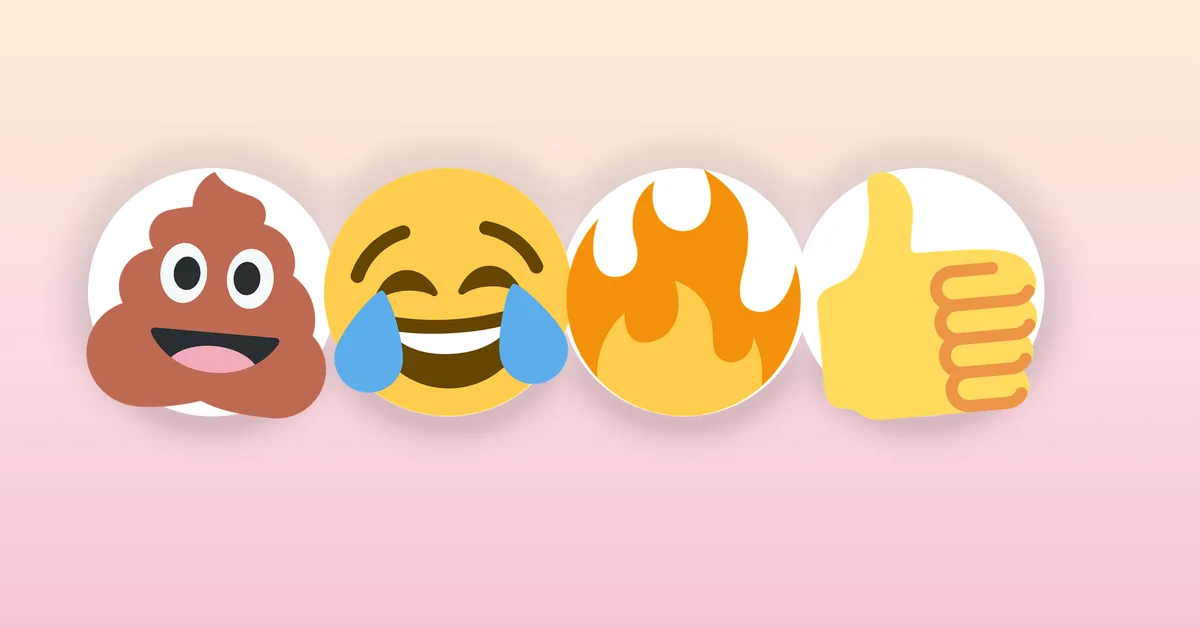
This is the emoji’s home turf. Close friends trade 💩 like a punchline.
Typical texts:
- “Tried a new haircut 💩”
- “Exam today. Studied the wrong chapter 💩😂”
- A photo of a collapsed cake, with one reply: “💩?”
It also has a whole combo language:
- 💩😂 — laughing at a disaster, mine included
- 💩🔥 — a total hot mess, no saving it
- 💩😭 — funny-sad, the fail that hurt a little
- 💩👍 — “great, just great,” said with sarcasm
Dog owners have a special claim on it. Group chats full of puppy owners use 💩 as a badge of daily life — and somehow it stays funny instead of gross.
How do you reply when a 💩 lands in your chat? Match the energy. If a friend is laughing at their own disaster, laugh with them — 😂, 🙃, or a 💩 of your very own says “same team.” If the mess is only half-funny (real stress underneath), add one kind line: “Rough day 💩 it’ll pass.” The worst reply is a serious lecture. Nobody who sends a smiling swirl wants a speech about it.
💩 for “That Went Badly”
Beyond jokes, 💩 became a one-emoji review. Ask someone about the movie and they answer: “💩.” No paragraph needed.
People reach for it on bad-luck days:
- Burnt toast at breakfast
- A dropped phone with a fresh crack
- Rain on the laundry, again
- Their team losing by one point
It softens a complaint. Typing “everything went wrong” feels heavy. Adding 💩 says the same thing with a smile — “today was a mess, and I can already laugh about it.”
The one-emoji review is now a full format. Ask the group chat about anything and someone answers with a single 💩: the dinner, the traffic, the Wi-Fi speed, Monday itself. It is low-effort, honest, and weirdly social — one swirl turns a complaint into something the whole chat can laugh at together.
Sports fans run this play after every bad loss. Rival fans trade 💩 back and forth, each side roasting its own team harder than the other. It is complaint as bonding — everyone agrees the game was a mess, and the swirl keeps it funny instead of bitter.
The Surprising Sweet Side of 💩
Here is the twist most people miss: in some places, poop is lucky.
In Japan, the word for poop — “unchi” — starts with the sound “un,” which also means luck. Golden poop charms, called kin no unko, are sold as good-luck gifts. Because of that wordplay, 💩 carries a cute, lucky energy in Japanese culture rather than a gross one.
The design helps too. The swirl looks like chocolate soft serve. Birthday posts use 💩🎂 as a silly-cute combo, cupcake shops sell poop-swirl treats, and kids find the whole thing hilarious instead of disgusting.
The party industry noticed the sweet side too. Poop-swirl balloons, hats, and party favors are a whole category of kids’ party supplies — the emoji stepped off the keyboard and into the shops. When a “gross” symbol sells out as birthday decor, it has officially switched sides.
So the emoji has two gears: funny-gross and funny-sweet. Knowing both is what separates someone who “gets” 💩 from someone who misfires with it.
When 💩 Is Just Rude
The line exists, and it is worth knowing.
- Replying to someone’s proud moment. They share their cooking, their art, their new song. A 💩 says “this is trash.” That hurts, even as a joke.
- Work chats. There is no version of this that is professional. Not even in a fun team chat.
- People you barely know. Without a friendship behind it, 💩 has no warmth — just the insult.
- Serious moments. Bad news, illness, grief. Sending 💩 there can read as mocking, even if you meant sympathy.
The rule is simple: if the person would not laugh hearing it in person, do not send it in a text.
Early chats deserve extra care. In a brand-new group or a first conversation, 💩 tries too hard — it asks people to find you funny-gross before they know you at all. One exception proves the rule: if the whole group is already posting silly fails, join in. Match the room, never outrun it.
FAQs
Is the poop emoji rude?
Only in the wrong context. Between friends joking about shared messes, it is pure comedy. Sent to someone’s proud work or in a professional chat, it reads as rude. The relationship and the moment decide.
What does 💩 mean from a friend?
They are laughing with you. Usually it means “that went badly” or “we are both a mess today.” If they send it about their own day, they want sympathy with humor, not a serious lecture.
Why does the poop emoji have a face?
Designers gave it big eyes and a grin so it would read as a cartoon character instead of something disgusting. That face is exactly why it feels friendly instead of crude.
Is the poop emoji good luck anywhere?
Yes — in Japan. Wordplay on “unchi” (poop) and “un” (luck) turned golden poop charms into real good-luck gifts. In that context, 💩 can even mean best wishes.
What can I send instead of 💩?
For funny fails, 😅 (sheepish), 🙃 (wry), or 💀 (laughing-dead humor) all work without the gross factor. Pick based on how well you know the person.
The short version: send 💩 to people who already laugh with you, about messes you both share — and keep it far away from work chats and proud moments. If your humor runs weird on purpose, our guide to the cursed emoji picks up right where this one leaves off.

Hi, I’m Nathan Cole, a symbols researcher and writer for Symboliism.com. I specialize in decoding money symbols, career numbers, and prosperity meanings. I love turning complex spiritual and financial symbolism into clear, practical guides that help readers understand the signs influencing their success, goals, and growth.