People say “money emoji” and mean one of two faces of cash. The money bag 💰 is about wealth you have, and the money face 🤑 is about the thrill of getting it. One sits calm in the bank. The other grins with dollar signs for eyes and a bill for a tongue. Payday posts, hustle captions, and joke-flexes all run on these two. Here is how each one works, so your next money post lands the way you mean it.
Which Emoji Is “the Money Emoji”? (🤑 vs 💰)
There is no single money emoji. There is a whole small family, and two members do most of the work.
🤑 Money face: a green-tinted face with dollar-sign eyes and a banknote tongue. It is loud, hungry, and thrilled about cash.
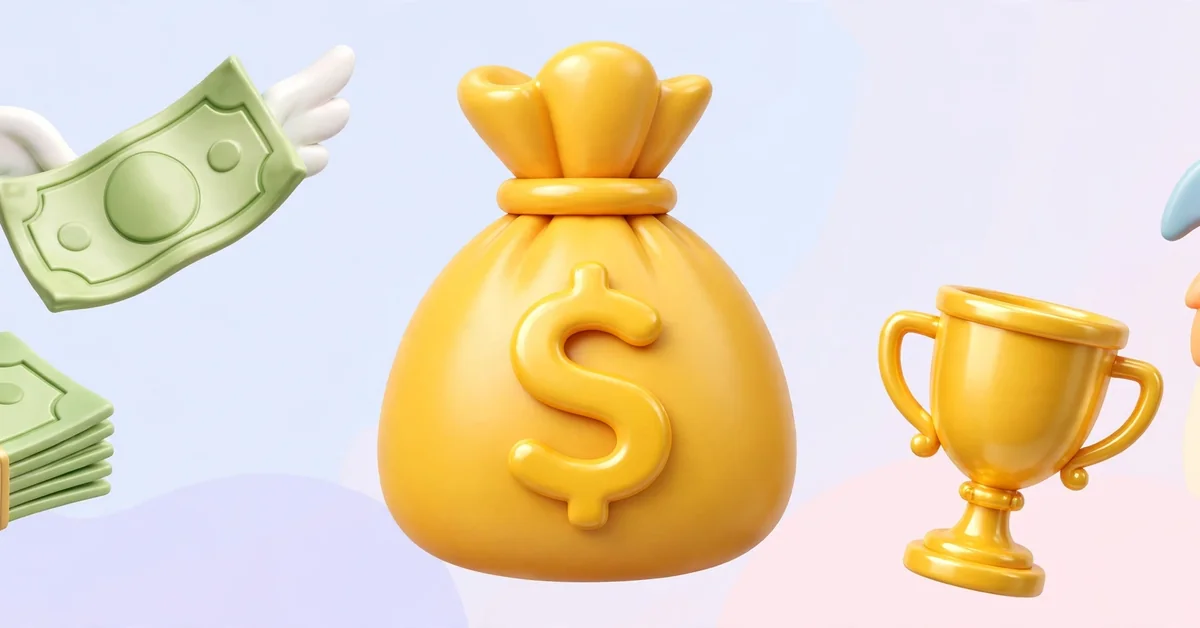
💰 Money bag: a tan sack tied at the top with a big dollar sign. It is calm and plain. It stands for money itself — savings, prizes, pay, and funds.
The rest of the family plays support. 💸 is cash flying away, 💵 is a plain bill, and 💲 is the heavy dollar sign. But when someone types “money emoji” into a search, they almost always want 🤑 or 💰. Pick the face for feelings. Pick the bag for funds. That one rule sorts out most money posts.
The wider family is worth a quick tour. 🪙 is a plain coin, handy for small wins and game money. 💳 is the credit card, used for shopping hauls and bill jokes. 🧾 is a receipt, the emoji of “the bill is how much?” And other bill emojis cover euros, pounds, and yen for posts outside dollar land. Each one is flavor. The face and the bag stay the headline acts.
🤑 the Money Face: Excited or Greedy?
The money face runs hot. Send 🤑 and you sound thrilled about cash — a bonus, a win, a sale that went better than planned. It is the face of “yes, today paid off.”
Lines like these are pure joy:
- “Bonus just dropped 🤑”
- “Sold the car in one day 🤑”
- “That side job paid twice what I thought 🤑”
But the same face can tip into greedy. Dollar eyes and a cash tongue can read as “money is all I care about.” Sent about someone else, it can be a small jab: “He only shows up when there is free food 🤑.” Read the room. About your own good luck, 🤑 is a grin. About a friend’s hard times, it can feel cold. The face is a joke that needs a soft place to land.
One more home for 🤑: sales talk in private chats. A friend flips a bike, sells a couch, or lands a small deal, and the face pops in as a quick cheer from the side. Used that way — small wins, close friends — it reads as pure support. It only turns sour when the grin is aimed down at someone, never when it is aimed across at a mate.
💰 the Money Bag: Savings and Wins
The money bag is the steady one. It has no face and no fuss, so it fits almost any cash talk. Savings goals. Prize posts. Fund drives. Rent day. Business wins.
It loves a caption like:
- “Emergency fund: fully loaded 💰”
- “She won the grant 💰 so proud”
- “Saving for the house, one month at a time 💰”
Wins pair well with proof. When a post marks a real prize or a hard-earned pay day, many people set 💰 next to the trophy emoji to say the money was earned, not just found. The bag alone can look like a brag. The bag beside a win story looks like a reward, and readers feel the difference at once. Strip away the story, though, and a lone bag under a pay post is still the safest money caption on the keyboard — clear, calm, and hard to misread.
Payday Posts and Hustle Captions

Payday is peak money-emoji season. On the last Friday of the month, feeds fill with 🤑 faces and 💰 bags. The posts are part joy, part joke: “Rich for exactly one day 🤑💸.”
Side hustles run on the same fuel. Sellers post a sold item with 💰. Drivers post a big weekend with 🤑. Small shops post a full till with both. The emojis act like a tiny drum roll before the news.
A few caption habits stand out:
- The flex: “New watch, who dis 🤑”
- The grind: “Up at five. Orders packed. 💰”
- The joke: “Millionaire in my dreams, at least 💰”
Keep yours honest and it stays fun. The second a caption sounds like a promise — get rich fast, no work, sure thing — readers smell a scam, and the emojis will not save it.
Payday posts also love a before-and-after. The morning gets 😩 and an empty coffee cup. The afternoon, once pay lands, gets 🤑 and a full plate. It is the same person, the same day, and two emojis tell the whole story of the month in four little pictures. If your post has a story like that, let the faces act it out.
Money Emoji Combos That Flex Too Hard
Combos turn the volume up. A few strings show up again and again:
- 🤑💸💵 — money coming in, money going out, the full payday ride
- 💰🏆🎉 — a win worth cheering
- 🚀💰 — a coin or stock “going to the moon”
- 🤑🍾🚗 — the big-spender joke kit
There is a line, though. Stack six money signs under a plain lunch photo and the joke curdles into showing off. Post 💰 under a friend’s “I lost my job” note and it reads as mockery. Money talk is tender for most people, even online. Use the combos where the mood is wins and jokes, and leave them out of chats about debt, loss, or bills. A light hand keeps the flex funny instead of sour. Your future self, scrolling back on a broke month, will thank you for it.
FAQs
What does 🤑 mean in a text?
It means thrilled about money — a win, a bonus, a good sale. About someone else, it can tease greed.
What does the money bag emoji mean?
💰 stands for money itself: savings, pay, prizes, or funds. It is calm and fits work posts too.
Is there one single money emoji?
No. The money face and the money bag share the name. A few bill and coin emojis back them up.
Can I use money emojis at work?
💰 is safe in most team chats about budgets and wins. 🤑 is looser; save it for friendly chats.
What does 💸 mean?
Money with wings — cash flying away. People use it for spending, bills, and fast losses.
Conclusion
The money emoji family splits into feelings and funds. Reach for 🤑 when cash makes you grin, and 💰 when the cash itself is the news. Keep the flex kind, and every post lands rich.

Hi, I’m Oliver Grant, a symbols and numbers researcher at Symboliism.com. I specialize in decoding the hidden meanings behind spiritual signs, numerical patterns, and everyday symbols. I love turning complex symbolism into simple, clear explanations that help readers understand the messages guiding their life, intuition, and decisions.