There is no single flower emoji. Your keyboard holds a whole small garden. Each bloom says something different, from soft spring joy to deep love. Pick the wrong one and a sweet note can land a bit off.
This guide walks the garden row by row. You will learn which flower fits a birthday, which one fits sad news, and which one people reach for most.
What Does the Flower Emoji Mean?
In general, flower emojis mean beauty, spring, and kind feelings. People send them to say thanks, to cheer someone up, or to mark a happy day. A flower is a gift in real life, so in a chat it works like a tiny gift too.
The exact flower shifts the message. A rose talks about love. A sunflower talks about joy and light. A cherry blossom talks about soft, short-lived beauty. Same family, very different words.
Flowers also mark the seasons. Tulips and blossoms flood chats in spring. Sunflowers take over in summer. A single 💐 bouquet shows up all year, for thanks, praise, and “well done.”
So read the flower emoji as a small bouquet with a note attached. The bloom you pick writes most of the note.
Flower emojis also sneak into names and small announcements. A baby girl named Lily or Rose often gets announced with her name flower in the caption, which is a sweet personal touch. New florist shops and flower stalls use 💐 in their bios and opening posts, so the emoji doubles as a business sign on social feeds.
🌸 Cherry Blossom: The Default “Flower”
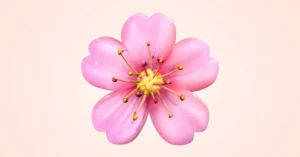
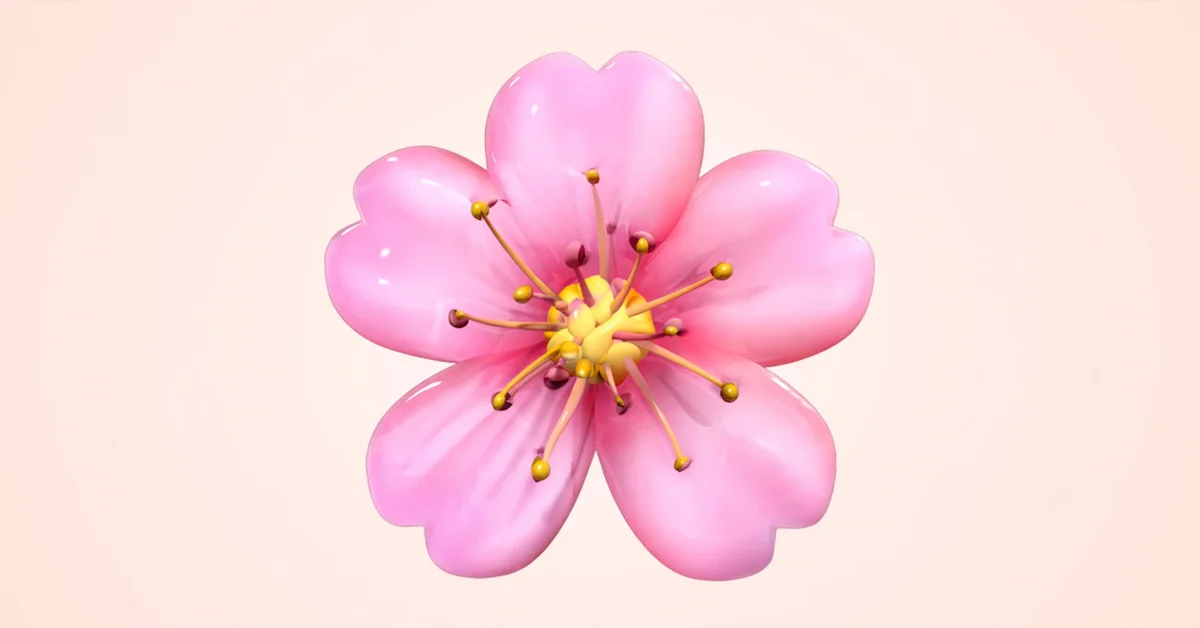
When most people picture “the flower emoji,” they picture 🌸. The cherry blossom is the soft pink bloom with five petals, and it is the one keyboards and apps show first.
It means spring, new starts, and gentle beauty. In Japan, cherry blossoms bloom for a very short time, so the flower also stands for how sweet and brief good moments can be. That is why it shows up in posts about fresh starts, new jobs, and spring trips.
🌸 is the safe all-round pick. It suits birthdays, thank-you notes, and pretty photos where no deep meaning is needed. It is kind, light, and hard to get wrong.
Close cousins worth knowing: 🌼 is a plain cheerful blossom, good for kids and casual cheer. 💐 is a full bouquet, best when the news is big — an engagement, a prize, a new baby.
A Quick Guide to Every Flower Emoji
Here is the whole row, one honest line each.
🌹 Rose — deep love and romance. This bloom is so big online that it has a full guide of its own: the rose emoji meaning page covers its love, loss, and hidden signals.
🌻 Sunflower — joy, warmth, and loyalty. Tall, bright, and always turned to the light. Great for cheering a friend up.
🌷 Tulip — spring and quiet love. Softer than a rose, so it suits new love and Mother’s Day notes.
🌺 Hibiscus — tropics, summer, and bold beauty. Think Hawaii shirts, beach days, and island trips.
🌸 Cherry blossom — spring, fresh starts, and beauty that does not last.
🌼 Blossom — simple cheer. The friendly daisy-style pick for light, happy posts.
💐 Bouquet — big thanks, praise, and party news. A bunch says more than one stem.
🥀 Wilted flower — sadness and things that faded. Use it for loss, not for jokes to strangers.
🪷 Lotus — calm and quiet strength. It grows from mud and blooms clean, so people use it for peace, yoga posts, and new starts after hard times.
💮 White flower — a simple stamped blossom. In Japan it can mark a well-done job, like a teacher’s good stamp on homework. Elsewhere it reads as plain, gentle beauty.
🏵️ Rosette — a prize ribbon shaped like a flower. It means award, honor, and “first place,” not love or spring.
Flowers for Sad News vs Happy News
This is the part people get wrong most. Flowers turn up at funerals and weddings alike, so tone matters.
For happy news, go bright. Sunflowers, tulips, and the bouquet all say joy. “She said yes 💐” needs no extra words. A 🌻 under a graduation photo is pure pride and light.
For sad news, slow down. Pale blooms and soft colors read as care. A single 🌸 or a white-heart pairing can say “I am thinking of you.” Avoid loud party pairings, and never send a joke combo with a sad note.
The wilted flower 🥀 is the clear sad sign. People use it for grief, lost love, or a plan that fell apart. It is honest and heavy, so send it only when you mean it.
One rule of thumb: if you would not hand the real flower to the person today, do not tap its emoji either.
Flowers also carry get-well messages. When a friend is sick or in hospital, a bright 💐 or a gentle 🌷 in the chat is the digital version of a hospital bouquet. It says “thinking of you” without asking for a long reply, which is often exactly right when someone is resting. Keep those posts soft and short, and skip the party combos until they are back on their feet.
Flower Combos for Spring Posts
Spring is flower season, and combos bloom all over feeds in March and April.
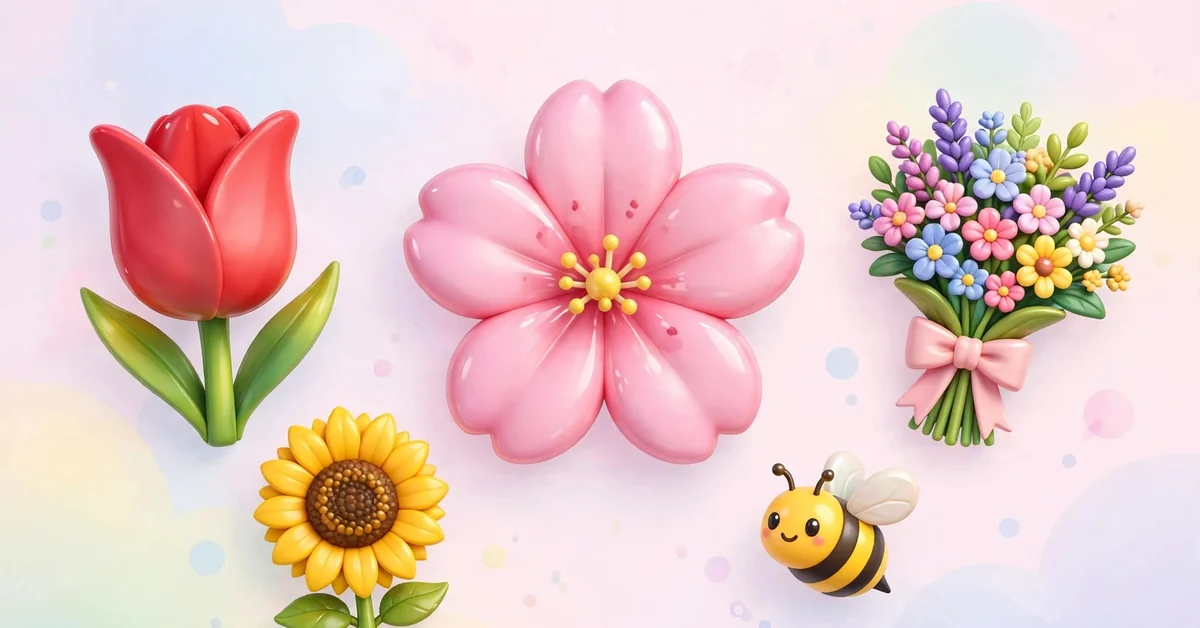
🌸 + 🐝 + 🌿 is the fresh spring set. New leaves, busy bees, first warm days.
🌷 + 🐰 + 🥚 is the Easter row. It fits egg hunts, spring fairs, and family photos.
💐 + 🎂 is the birthday thank-you. It works for “thanks for the gifts” posts and party recaps.
🌻 + ☀️ + 😎 is summer joy in three taps. Sun, heat, and a grin.
Mother’s Day has its own classic: 💐 + ❤️ + a short note. Simple beats grand here. She will read the words more than the blooms.
One last gentle pair for close friends: 🌸 + 🌙 makes a calm goodnight for someone who loves soft, quiet things. It is a small row, but it feels like a whole mood — rest, beauty, and no rush at all.
FAQs
What is the most used flower emoji?
The cherry blossom 🌸 is the one most people reach for. It is the soft pink bloom many apps show as the face of flower emojis.
Which flower emoji means love?
The rose 🌹 carries the love meaning. Tulips 🌷 are a softer pick for new or shy love.
What flower emoji should I send for sad news?
Keep it soft and plain. A single 🌸 or a gentle bouquet reads as care. The wilted flower 🥀 signals grief and loss.
What does 💐 mean in a text?
The bouquet means thanks, praise, or big happy news. It is the “armful of flowers” you send when one stem is not enough.
Are flower emojis only for spring?
No. Spring blooms like 🌸 and 🌷 peak in spring, but roses, sunflowers, and bouquets get sent all year round.
Conclusion
The flower emoji is not one symbol but a whole garden of small messages. Match the bloom to the moment — rose for love, sunflower for joy, soft blossoms for care. Do that, and your flowery texts will say exactly what you mean.

Hi, I’m Lena Foster, a symbolism expert and content writer for Symboliism.com. I specialize in explaining the meanings behind symbols, numbers, and signs in a simple, engaging way. I love turning complex spiritual and cultural symbolism into clear, easy-to-read guides that help readers understand the messages around them.