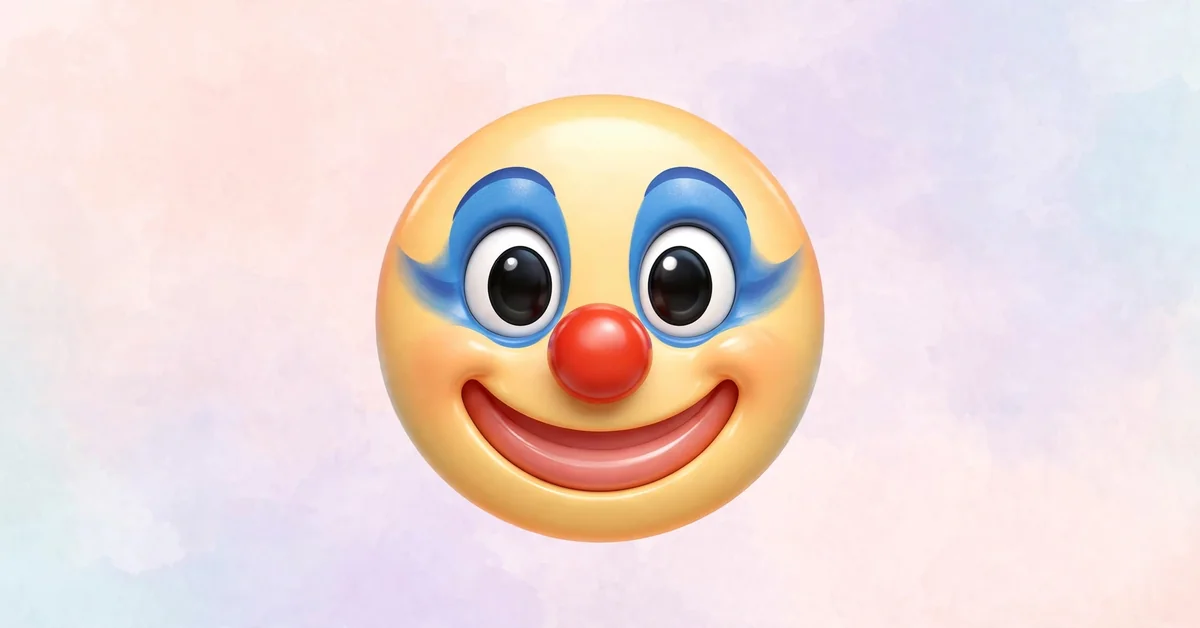
The clown emoji 🤡 wears a red nose and a big painted smile. In most chats today, 🤡 is slang for a fool — aimed at yourself first, at others only for jokes. It marks the moments when you knew better and did the thing anyway. The literal clown — the circus star, the party act, the horror mask — is the second meaning, and it still shows up in its own right. This guide walks through both lives of the clown: the self-roast it usually is, and the greasepaint it can still be.
What Does the Clown Emoji Mean?
Two clowns live inside this one face.
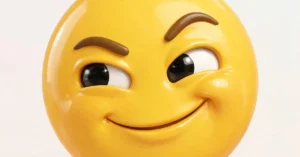
Clown the slang. Online, “clown” is a playful word for a fool. Calling yourself one says, “Yep, I did that. I know.” It is self-roast, not self-hate — the kind of laugh that keeps a small fail from stinging. Friends roast friends the same way, when the bond can take it.
Clown the job. The word is also the job: the circus performer in big shoes, the party act with balloon animals, and, since the horror craze, the scary mask in dark movies. In these chats, 🤡 is about the real-world clown, not an insult at all.
Which clown is it? Check the story. A personal fail with a joke around it means the slang. Circus talk, party plans, or horror nights mean the job. The paint is the same. The stage is not.
🤡 “I Played Myself” Moments
The self-roast is the true home of 🤡. It is the emoji you send when you were the villain in your own story.
The classics sound like this:
- “Texted him ‘miss u’ at 2am 🤡”
- “Waited outside the shop that opens at nine. On Sunday. 🤡”
- “Told my hair it looked fine before the photos 🤡”
Each one shares a pattern: hope, a small bad call, and a grin at the end. The clown face takes the shame out of it. It turns “I messed up” into “well, that was me being me.” Followers laugh with you, not at you, because the clown makes it plain you are already in on the joke.
Public posts run on the same fuel. Stars and athletes clown themselves after a flop, and fans follow the lead. A singer who forgets the words. A player who misses an open goal. One 🤡 in the caption, and the story flips from shame to comedy in a second. Roasting yourself first is a shield: no one can mock what you already mocked better. The clown paints that shield in face paint. It even works in group photos, where the one who blinked gets crowned clown of the day.
🤡 Calling Out Silly Takes
The second slang use points outward. Friends call each other clowns for silly takes and bold misses. A friend says his team will win the league — bottom of the table in October. Out comes 🤡, and the chat turns into a roast session.
Rules keep it friendly:
- Punch at takes, not people. “That take was 🤡” is a game. “You are 🤡” every day is not.
- Roast equals, not strangers. The joke needs a bond behind it.
- Read the room. After a real loss or a hard day, the clown waits its turn.
The goofy emoji is this joke’s close cousin, and it steps in well when you want the silliness without the clown’s bite. Pick 🤡 when the fail is loud and funny. Pick the lighter face when you only want a grin.
Sports talk deserves its own line, because fan chats are clown country. A bold claim in August — “we are winning it all” — earns 🤡 by winter, and the screenshots come back like clockwork. That long memory is the joke’s engine. The clown is less a face than a receipt: proof you said the silly thing, framed in red and white. Keep your claims humble, and the receipts stay buried.
The Literal Clown: Parties and Horror
Do not forget the painted face behind the slang. Clowns are still real performers, and they still split the room.
At parties, 🤡 marks the fun kind: birthday clowns, face paint, and balloon dogs. Parents plan around them, kids grin at them, and the emoji tags it all.
In horror, 🤡 is the mask: dark fairs, night movies, and the scary clowns of recent film years. Posts about a creepy trailer or a haunted house land the emoji with a chill instead of a laugh.
Both uses lean on the same paint — red nose, wide grin — and that shared look is why the slang and the job can live in one icon. A photo of the real thing needs no joke. A text fail needs no paint. Same face, two worlds.
The real clown’s long history adds weight too. Circus clowns have played fairs and rings for ages, first to make crowds roar, later to scare them in films. That swing — from laughter to chills — is rare for any symbol. It is why one emoji can host a birthday in the morning and a horror night by dark, and why readers always check the setting before they decide how to feel about those painted eyes.
Clown Combos for Self-Roasts
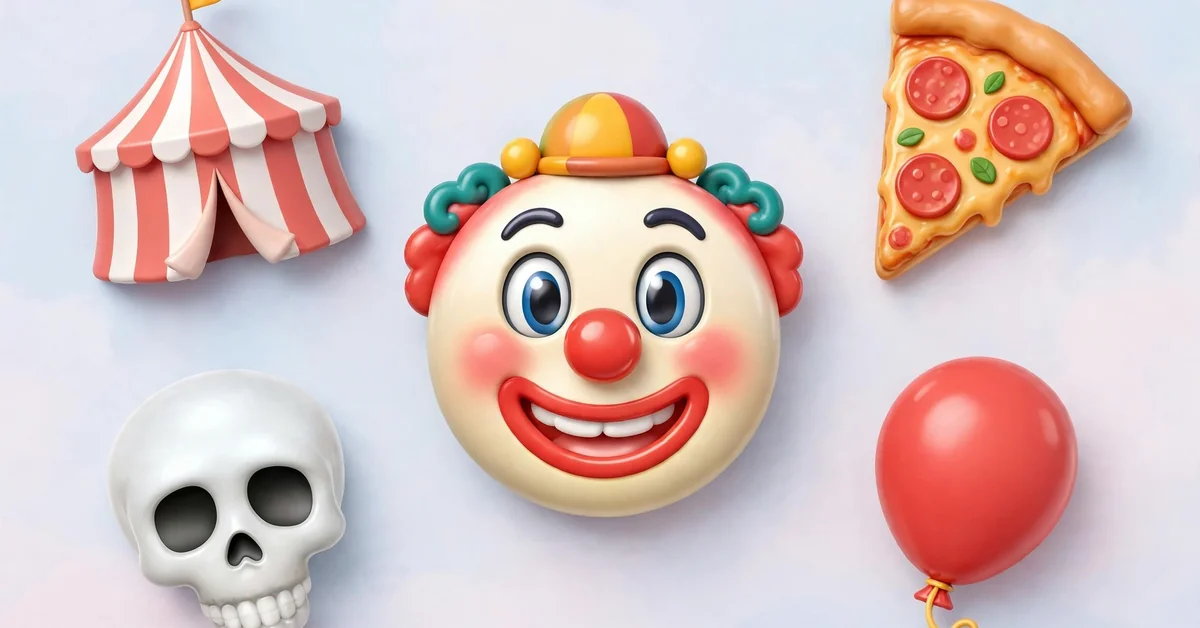
Roasts come in packs. A few strings do the rounds:
- 🤡👟 — the clown shoes, for “I walked straight into that”
- 🎪🤡 — the full circus, for group fails
- 🤡🍕 — clowning through dinner with friends
- 🤡🤝💀 — “we are all clowns here,” the group-chat salute
Keep the combo honest. One clown and one prop tell the story. Stack five and the joke drowns. And aim the combo at your own story first. Self-roast is the clown’s native tongue. The moment the combo points at someone who did not sign up for the joke, the paint stops being funny. Scale matters as well. A story with three small fails in a row is the clown’s ideal stage — one emoji can stamp the whole trilogy.
FAQs
What does 🤡 mean in slang?
It means “fool,” mostly aimed at yourself in a joke. You knew better, you did it anyway, and now you grin about it.
Is the clown emoji mean?
It can be, pointed at people. Aimed at your own fails with laughs around it, it is just play.
Why is the clown emoji scary sometimes?
Because of horror clowns in films and haunted houses. The same painted face runs spooky in dark chats.
What is a self-roast?
A joke where you roast your own mistake before anyone else can. The clown face is its mascot.
Can I use 🤡 at work?
Better not. “Fool” slang rarely survives the trip into work chats, even as a joke about yourself.
Conclusion
The clown emoji is the internet’s badge for lovable failure. Roast yourself, laugh with your crew, and let the painted face do the talking — 🤡 forgives what pride cannot.

Hi, I’m Nathan Cole, a symbols researcher and writer for Symboliism.com. I specialize in decoding money symbols, career numbers, and prosperity meanings. I love turning complex spiritual and financial symbolism into clear, practical guides that help readers understand the signs influencing their success, goals, and growth.